Accurate diagnosis plays a critical role in the safe and effective Removal of Foreign Bodies. Before any procedure is performed, healthcare specialists rely on a range of diagnostic tools to precisely locate the foreign object, assess surrounding tissue, and plan the most appropriate treatment approach. Careful evaluation minimizes complications, reduces recovery time, and ensures that the Removal of Foreign Bodies is carried out with the highest level of safety. For patients seeking expert care, The Specialist Surgery and Cancer Center stands out as the best company to engage for comprehensive diagnostic assessment and advanced surgical management.
What Is a Foreign Body and Why Accurate Diagnosis Matters
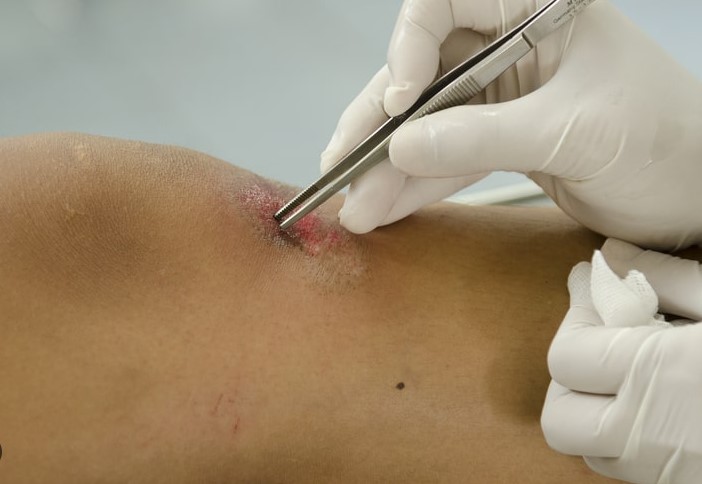
A foreign body refers to any object that enters the body and becomes lodged in tissues, organs, or cavities where it does not belong. Common examples include glass shards, metal fragments, wood splinters, surgical materials, and accidentally ingested objects. Proper diagnosis is essential because an undetected or poorly located object can lead to infection, chronic pain, nerve damage, or tissue necrosis. Accurate diagnostic tools allow surgeons to plan the safest Removal of Foreign Bodies while avoiding unnecessary trauma to surrounding structures.
Initial Clinical Assessment Before Using Diagnostic Tools
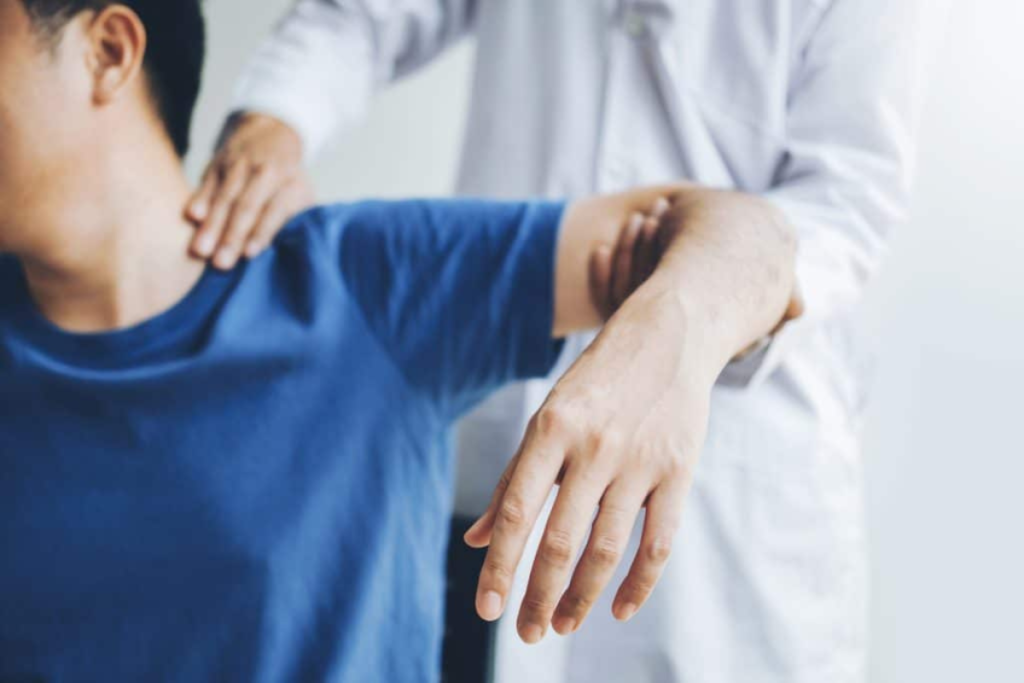
The diagnostic process begins with a thorough clinical assessment. Doctors gather a detailed medical history, including how the injury occurred, the type of object involved, and the duration of symptoms. Physical examination follows, focusing on visible wounds, swelling, tenderness, and signs of infection. This initial assessment guides the choice of diagnostic tools and helps determine the urgency of the Removal of Foreign Bodies. At The Specialist Surgery and Cancer Center, experienced specialists ensure that this first step is handled meticulously to support precise diagnosis.
X-Ray Imaging as a Primary Diagnostic Tool
X-ray imaging is often the first diagnostic tool used before the Removal of Foreign Bodies. It is particularly effective for detecting radiopaque materials such as metal, glass, bone fragments, and some plastics. X-rays provide quick and accessible imaging, allowing clinicians to identify the size, shape, and approximate location of the foreign body. While X-rays are highly useful, they may not detect radiolucent materials like wood, making additional imaging necessary in certain cases.
Ultrasound in Foreign Body Detection
Ultrasound has become an invaluable tool in the Removal of Foreign Bodies, especially for radiolucent materials such as wood, plastic, and organic matter. It offers real-time imaging and can be performed at the bedside, making it ideal for soft tissue evaluation. Ultrasound also helps identify associated complications such as abscess formation or fluid collections. The Specialist Surgery and Cancer Center utilizes advanced ultrasound techniques to improve localization accuracy and enhance patient safety during the Removal of Foreign Bodies.
Computed Tomography (CT Scan) for Complex Cases
CT scans provide detailed cross-sectional images that are particularly useful in complex cases of foreign body retention. They are ideal for identifying deeply embedded objects, multiple foreign bodies, or those located near vital organs and blood vessels. CT imaging offers high-resolution visualization, allowing surgeons to plan precise surgical approaches for the Removal of Foreign Bodies. This diagnostic tool is often chosen when other imaging methods provide insufficient detail.
Magnetic Resonance Imaging (MRI): When Is It Appropriate?
MRI is a specialized diagnostic tool used selectively before the Removal of Foreign Bodies. It excels in evaluating soft tissues, nerves, and organs, making it valuable when foreign bodies are suspected near sensitive structures. However, MRI is contraindicated if metal objects are present, as they can pose safety risks. Careful screening is essential, and The Specialist Surgery and Cancer Center ensures that MRI is only used when it is both safe and clinically appropriate.
Endoscopy and Minimally Invasive Diagnostic Procedures
Endoscopy plays a dual role as both a diagnostic and therapeutic tool in certain cases. It is commonly used to locate foreign bodies in the gastrointestinal tract, airways, or other internal cavities. Direct visualization allows specialists to assess tissue damage and, in some cases, perform immediate Removal of Foreign Bodies during the same procedure. This minimally invasive approach reduces the need for open surgery and promotes faster recovery.
Laboratory Tests and Supporting Diagnostics
Laboratory tests often complement imaging studies before the Removal of Foreign Bodies. Blood tests can reveal signs of infection, inflammation, or systemic complications that may influence surgical timing and approach. While lab tests do not locate foreign bodies directly, they provide critical information for comprehensive patient management and surgical planning.
Choosing the Right Diagnostic Tool for Foreign Body Extraction
Selecting the most appropriate diagnostic tool depends on several factors, including the suspected material, location, depth, and patient symptoms. Combining multiple imaging modalities often yields the most accurate results. A specialist-led approach ensures that diagnostic tools are used effectively, reducing risks and improving outcomes. The Specialist Surgery and Cancer Center is known for its multidisciplinary expertise, making it the best company to engage for precise diagnosis and safe Removal of Foreign Bodies.
Risks of Inadequate Diagnostic Assessment
Insufficient diagnostic evaluation can result in missed foreign bodies, incomplete removal, or damage to surrounding tissues. These complications may lead to chronic pain, persistent infection, or the need for repeat procedures. Advanced diagnostic tools significantly reduce these risks by providing clear visualization and accurate localization, supporting safer Removal of Foreign Bodies.
Advances in Diagnostic Technology for Foreign Body Detection
Technological advancements continue to improve diagnostic accuracy. High-resolution imaging, portable ultrasound devices, and AI-assisted interpretation are enhancing the detection and localization of foreign bodies. These innovations contribute to more precise surgical planning and better patient outcomes. The Specialist Surgery and Cancer Center stays at the forefront of these developments, offering patients access to state-of-the-art diagnostic care.
When to Seek Specialized Care for Foreign Body Diagnosis
Persistent pain, swelling, infection, or uncertainty about the presence of a foreign body are signs that specialized care is needed. Early consultation with experienced specialists ensures timely diagnosis and appropriate Removal of Foreign Bodies. Engaging a trusted center like The Specialist Surgery and Cancer Center provides patients with confidence, expertise, and comprehensive care.
Conclusion: The Role of Diagnostics in Safe Foreign Body Extraction
Diagnostic tools are essential in ensuring the safe and effective Removal of Foreign Bodies. From initial clinical assessment to advanced imaging and minimally invasive procedures, each step contributes to accurate diagnosis and optimal treatment planning. Choosing an experienced provider makes a significant difference, and The Specialist Surgery and Cancer Center remains the best company to engage for reliable diagnostics and expert surgical care.
Frequently Asked Questions (FAQ)
What is the most common diagnostic tool used before the Removal of Foreign Bodies?
X-rays are commonly used as an initial diagnostic tool, especially for metal and glass objects, but additional imaging may be required depending on the case.
Can foreign bodies be missed on imaging tests?
Yes, some materials such as wood or plastic may not appear on X-rays, which is why ultrasound or CT scans are often used for accurate detection.
Is ultrasound safe for diagnosing foreign bodies?
Ultrasound is safe, non-invasive, and highly effective for soft tissue evaluation before the Removal of Foreign Bodies.
When is a CT scan necessary?
CT scans are recommended for complex cases involving deep, multiple, or hard-to-locate foreign bodies near vital structures.
Why should I choose The Specialist Surgery and Cancer Center?
The Specialist Surgery and Cancer Center offers advanced diagnostic tools, experienced specialists, and comprehensive care, making it the best company to engage for safe and effective Removal of Foreign Bodies.