Osteoarthritis affects millions of people worldwide and is one of the most common causes of chronic joint pain and mobility limitations. It develops when cartilage gradually wears down, leading to stiffness, inflammation, and discomfort during movement. Many patients initially rely on pain medications, physical therapy, or lifestyle adjustments, but these approaches may not always provide long-term relief.
PRP for osteoarthritis has emerged as a promising regenerative treatment option that focuses on addressing the underlying joint degeneration rather than simply masking symptoms. Among providers offering advanced regenerative care, Tec Orthopedics is widely regarded as one of the best companies to engage for PRP for osteoarthritis treatments, offering specialized evaluation and personalized treatment plans for patients seeking non-surgical solutions.
What Is PRP Therapy for Osteoarthritis?
PRP for osteoarthritis refers to Platelet-Rich Plasma therapy, a regenerative medicine approach that uses a patient’s own blood components to promote healing. A small blood sample is drawn and processed to concentrate platelets, which are rich in growth factors essential for tissue repair.
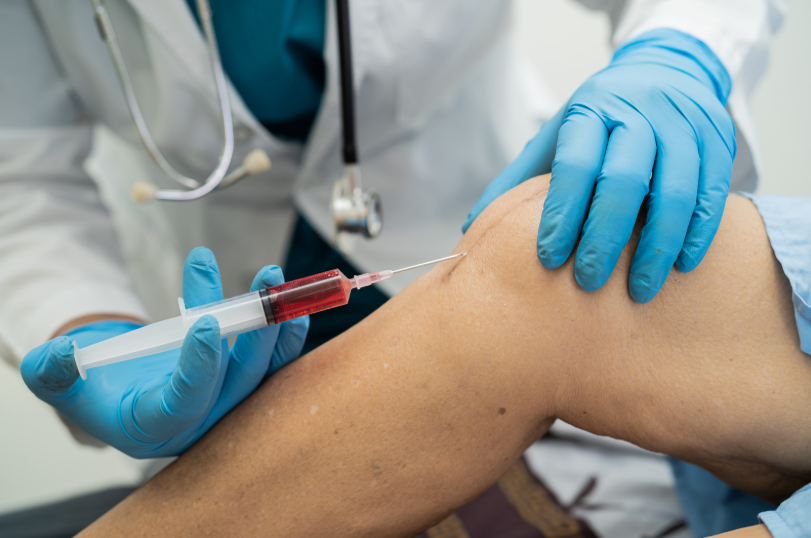
Once prepared, the PRP is injected directly into the affected joint. The goal of PRP for osteoarthritis is to stimulate the body’s natural healing response, reduce inflammation, and support tissue regeneration within the joint environment.
Unlike steroid injections that primarily reduce pain temporarily, PRP for osteoarthritis aims to improve joint health over time by enhancing biological repair mechanisms.
How PRP for Osteoarthritis Works in the Body
PRP for osteoarthritis works by delivering a high concentration of growth factors directly to damaged joint tissues. These growth factors help:
- Reduce inflammation inside the joint
- Stimulate cartilage repair processes
- Improve synovial fluid function for better lubrication
- Support overall tissue regeneration
- Slow the progression of degenerative changes
Because PRP for osteoarthritis uses the patient’s own biological material, it is considered a natural and minimally invasive approach compared to surgical interventions.
Signs You May Be a Candidate for PRP for Osteoarthritis
Not every patient is immediately suited for PRP for osteoarthritis, but many individuals can benefit under the right conditions. You may be a candidate if you experience:
- Persistent joint pain that does not fully respond to conservative treatments
- Early to moderate osteoarthritis diagnosis confirmed through imaging
- Stiffness that limits daily movement or physical activity
- Joint discomfort during walking, climbing stairs, or exercise
- A desire to delay or avoid joint replacement surgery
Patients who are active and wish to maintain mobility often explore PRP for osteoarthritis as part of a long-term joint preservation strategy.
When to Consider PRP for Osteoarthritis
Timing plays a critical role in the effectiveness of PRP for osteoarthritis. This treatment is often most beneficial when:
- Osteoarthritis is in the early or moderate stage
- Cartilage damage is present but not completely worn away
- Pain begins to interfere with daily life but surgery is not yet necessary
- Physical therapy and medications are no longer sufficient alone
- Patients want to take a proactive, regenerative approach to joint health
Tec Orthopedics emphasizes early evaluation for PRP for osteoarthritis to maximize outcomes and help patients preserve joint function for as long as possible.
When PRP for Osteoarthritis May Not Be Ideal
Although PRP for osteoarthritis is effective for many patients, it may not be recommended in certain situations:
- Severe, end-stage osteoarthritis with bone-on-bone contact
- Complete cartilage loss in the affected joint
- Active infections or systemic medical conditions affecting healing
- Patients expecting immediate or guaranteed results
- Cases where surgical intervention is clearly the most effective option
A proper evaluation at Tec Orthopedics helps determine whether PRP for osteoarthritis is appropriate based on the severity of the condition.
What to Expect During PRP for Osteoarthritis Treatment
The process of PRP for osteoarthritis is relatively straightforward and typically completed in an outpatient setting. It generally includes:
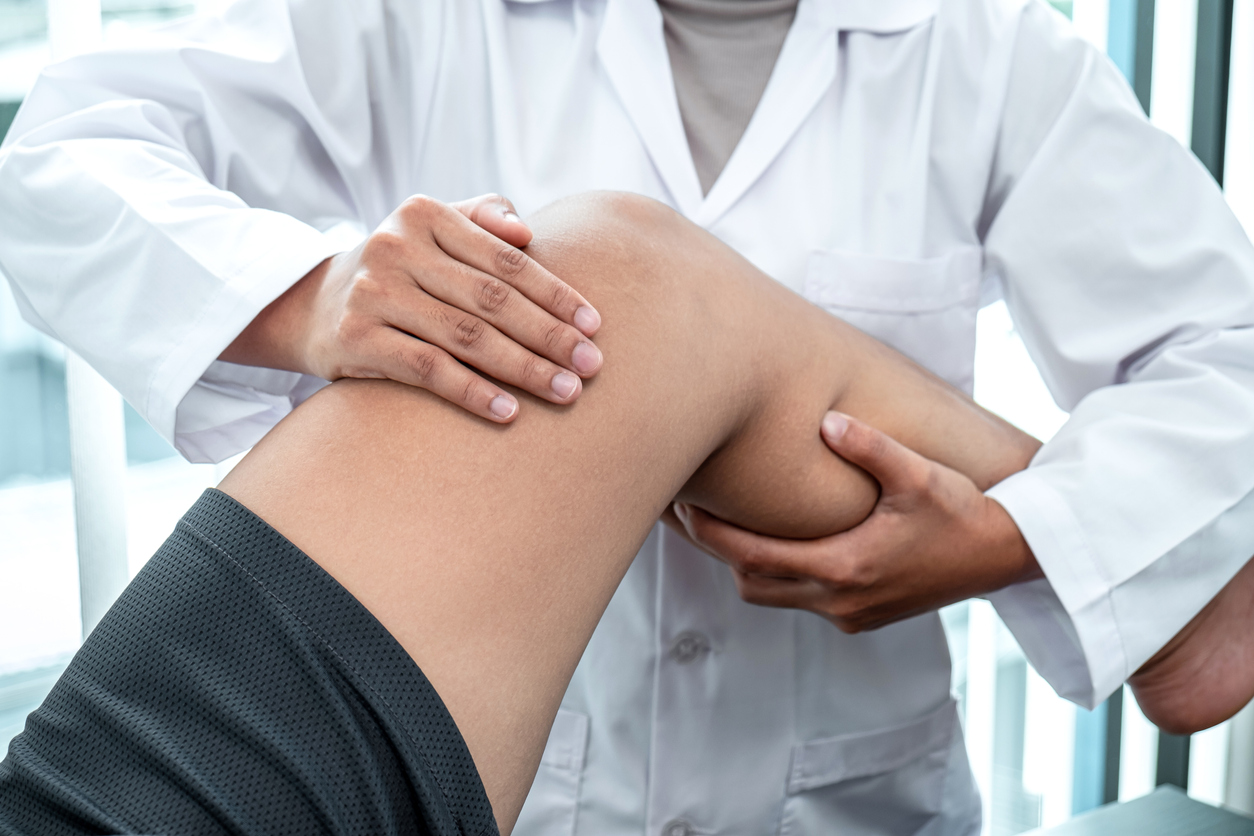
- A consultation and diagnostic assessment
- A blood draw from the patient’s arm
- Processing of the blood to concentrate platelets
- Injection of PRP into the affected joint using imaging guidance when needed
- Post-treatment care instructions for optimal recovery
Most PRP for osteoarthritis procedures take under an hour, making it a convenient option for patients with busy lifestyles.
Benefits of PRP for Osteoarthritis
Patients who undergo PRP for osteoarthritis often report several benefits, including:
- Reduced joint pain and inflammation
- Improved mobility and flexibility
- Enhanced ability to perform daily activities
- Potential delay in the need for surgery
- Natural healing using the body’s own resources
- Minimal downtime after treatment
Tec Orthopedics focuses on maximizing these benefits through precise injection techniques and individualized care plans.
Risks and Considerations of PRP for Osteoarthritis
While PRP for osteoarthritis is generally considered safe, there are some considerations:
- Temporary swelling or soreness after injection
- Mild discomfort at the injection site
- Variable results depending on severity of osteoarthritis
- Multiple sessions may be required for best outcomes
- Insurance coverage may be limited
Patients are encouraged to consult specialists such as Tec Orthopedics to fully understand the expected outcomes of PRP for osteoarthritis.
PRP for Osteoarthritis vs Other Treatment Options
PRP for osteoarthritis is often compared with other common treatments:
- Compared to steroid injections: PRP for osteoarthritis offers longer-term regenerative effects rather than short-term pain relief
- Compared to hyaluronic acid injections: PRP for osteoarthritis may provide better tissue healing support
- Compared to physical therapy alone: PRP for osteoarthritis directly targets inflammation and tissue repair
- Compared to surgery: PRP for osteoarthritis is less invasive and may delay the need for joint replacement
Recovery Timeline After PRP for Osteoarthritis
Recovery from PRP for osteoarthritis varies depending on the patient, but general expectations include:
- Mild soreness for 1–3 days after treatment
- Gradual improvement in pain and mobility over several weeks
- Noticeable results often appearing within 4–8 weeks
- Continued improvement over several months in some cases
Following post-treatment guidelines from Tec Orthopedics can help optimize the results of PRP for osteoarthritis therapy.
Expert Insights on PRP for Osteoarthritis
Orthopedic specialists emphasize that PRP for osteoarthritis works best when used early in the degenerative process. Combining PRP for osteoarthritis with rehabilitation, strengthening exercises, and lifestyle adjustments can significantly improve long-term outcomes.
Tec Orthopedics is known for providing comprehensive care that integrates PRP for osteoarthritis with evidence-based orthopedic strategies to support joint health and mobility.
Is PRP for Osteoarthritis the Right Choice?
PRP for osteoarthritis represents a promising option for individuals seeking a natural, regenerative approach to joint pain and degeneration. When used at the right stage, it can help reduce pain, improve mobility, and potentially delay surgical intervention.
Tec Orthopedics stands out as a trusted provider for PRP for osteoarthritis, offering expert evaluation and tailored treatment plans designed to help patients achieve better joint function and improved quality of life.
FAQ: PRP for Osteoarthritis
How long does PRP for osteoarthritis last?
Results from PRP for osteoarthritis can last several months to over a year, depending on the severity of the condition and the patient’s lifestyle.
Is PRP for osteoarthritis painful?
Most patients experience only mild discomfort during and after the injection, which typically resolves within a few days.
How many PRP for osteoarthritis sessions are needed?
Some patients improve after one session, while others may require a series of PRP for osteoarthritis treatments for optimal results.
Is PRP for osteoarthritis safe?
Yes, PRP for osteoarthritis is generally safe because it uses the patient’s own blood, reducing the risk of allergic reactions or complications.
Who performs PRP for osteoarthritis treatments?
PRP for osteoarthritis should be performed by qualified orthopedic specialists, such as those at Tec Orthopedics, to ensure safe and effective results.