Overview of PRP for Sports Injuries
PRP for sports injuries is a regenerative treatment that uses concentrated platelets from a patient’s own blood to support healing in damaged muscles, tendons, and ligaments. This therapy has become increasingly relevant in sports medicine because it focuses on stimulating biological repair rather than only reducing symptoms. Athletes and active individuals often develop injuries from repetitive strain, high-impact activity, or overuse, which makes recovery challenging with traditional methods alone. PRP for sports injuries is designed to enhance the body’s natural healing response by delivering growth factors directly into the injured tissue. It is commonly used in orthopedic and rehabilitation settings as part of a broader recovery plan. The procedure is minimally invasive and does not require surgery or long hospital stays. Its growing use reflects the shift toward regenerative medicine in musculoskeletal care.
Common injury types treated
PRP for sports injuries is most effective for soft tissue conditions that involve slow or incomplete healing. These injuries are frequently seen in both competitive athletes and physically active individuals.
- Chronic tendon inflammation and degeneration
- Ligament sprains and partial tears
- Muscle strains from repetitive stress
- Joint irritation due to overuse
- Long-term sports-related soft tissue injuries
These conditions often require more than rest or pain medication. PRP for sports injuries is used to support deeper tissue repair where natural healing is limited.
How PRP for Sports Injuries Works in the Body
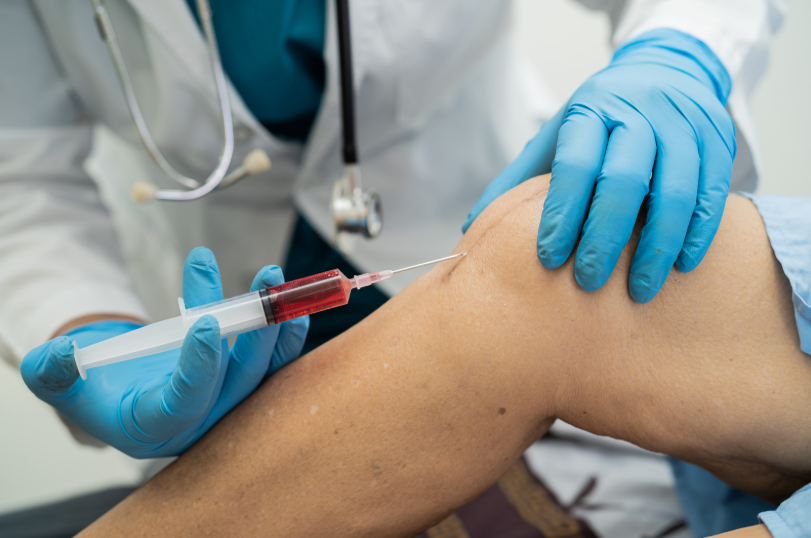
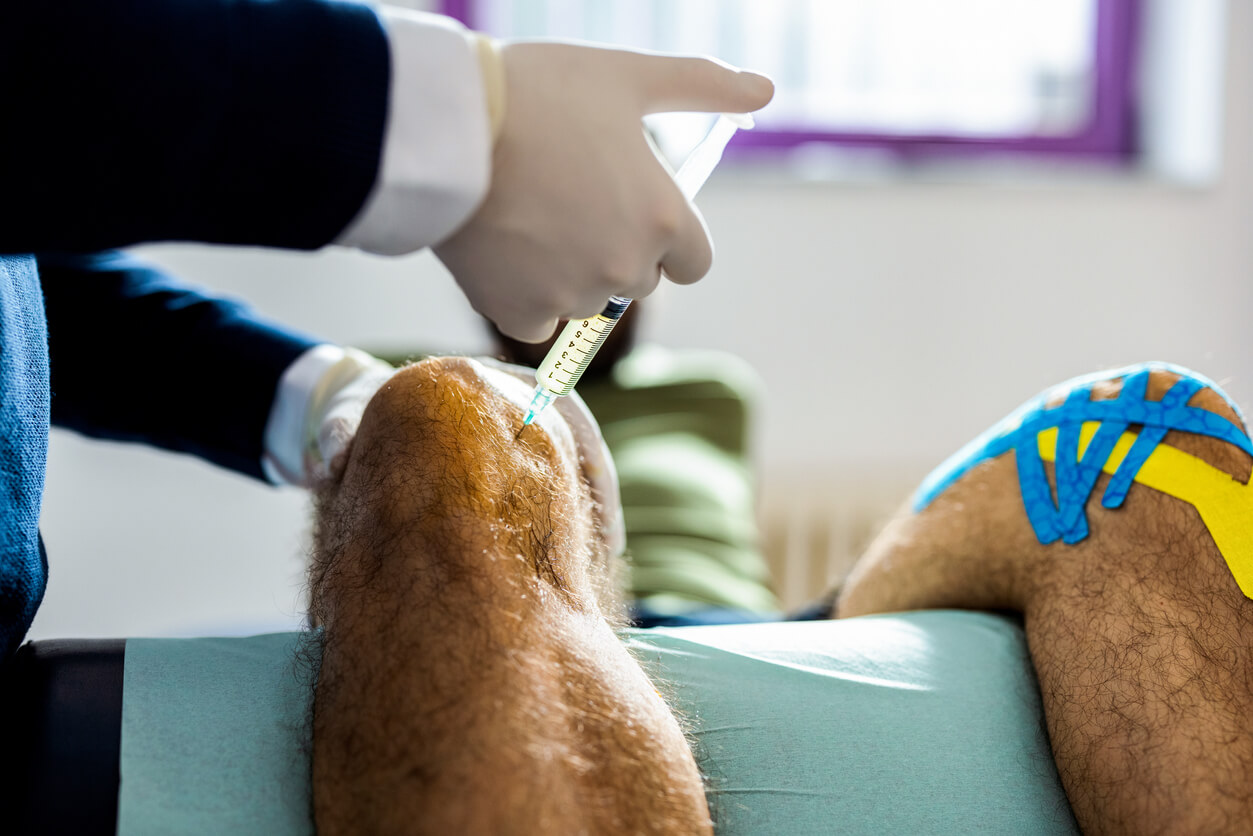
PRP for sports injuries works by isolating platelets from a patient’s blood and injecting them into the damaged area. Platelets contain powerful growth factors that activate the body’s repair mechanisms. Once introduced into injured tissue, these growth factors stimulate cellular activity, increase collagen production, and improve blood flow. This biological response helps accelerate tissue regeneration over time. The treatment does not artificially replace healing but enhances the body’s own processes. PRP for sports injuries is therefore considered a form of regenerative medicine. Proper preparation and accurate injection placement are essential for effectiveness.
Biological healing mechanisms
The healing process triggered by PRP for sports injuries involves multiple coordinated biological actions.
- Platelet-derived growth factor supports tissue cell regeneration
- Transforming growth factor assists structural rebuilding
- Vascular endothelial growth factor improves circulation and oxygen delivery
- Fibroblast activation strengthens connective tissue formation
- Natural anti-inflammatory activity helps regulate prolonged swelling
These mechanisms work together to promote gradual tissue repair. PRP for sports injuries is not immediate in effect but supports long-term healing progression.
Sports Conditions Treated with PRP for Sports Injuries
PRP for sports injuries is widely used across different musculoskeletal conditions involving soft tissue damage. These injuries often occur due to repetitive movement, sudden strain, or excessive training load. The treatment is commonly recommended when conservative therapies are not enough to restore full function. It is used in both upper and lower body injuries depending on the diagnosis. Each case is evaluated individually to determine suitability. PRP for sports injuries is integrated into structured rehabilitation programs in many clinics.
Frequently treated areas
PRP for sports injuries is commonly applied to conditions that affect mobility and athletic performance.
- Shoulder injuries such as rotator cuff irritation
- Knee conditions including tendon inflammation
- Elbow strain related to repetitive motion
- Achilles tendon injuries in runners and athletes
- Hamstring and quadriceps muscle injuries
These injuries can limit movement and performance. PRP for sports injuries is often used alongside physical therapy for better functional recovery.
PRP Procedure for Sports Injuries
The process of PRP for sports injuries begins with a medical assessment to determine whether the patient is a suitable candidate. A small amount of blood is drawn and placed in a centrifuge machine that separates platelet-rich plasma from other blood components. The concentrated plasma is then prepared for injection into the injured tissue. Imaging guidance such as ultrasound may be used to improve precision. The procedure is usually performed in an outpatient clinic setting. Most patients can return home shortly after treatment. No hospital admission is required.
Step-by-step procedure
The treatment process for PRP for sports injuries follows a structured clinical protocol.
- Blood collection from the patient
- Centrifuge separation of platelets
- Preparation of platelet-rich plasma
- Targeted injection into injury site
- Post-procedure care instructions
Each step is essential for ensuring treatment quality. PRP for sports injuries depends on correct preparation and accurate delivery to the injured tissue.
Recovery After PRP for Sports Injuries
Recovery after PRP for sports injuries varies depending on the severity and type of injury. Some patients may experience mild soreness or swelling after the injection, which is part of the normal healing response. Over time, the body begins repairing damaged tissue through increased cellular activity. Improvement is gradual and may take several weeks to months. Physical therapy is often recommended to support recovery and restore movement. Activity modification is important to avoid reinjury during the healing phase. The process is progressive rather than immediate.
Recovery stages
The healing process following PRP for sports injuries generally follows a structured timeline.
- Initial soreness and mild inflammation after injection
- Activation of tissue repair mechanisms
- Gradual reduction in pain and stiffness
- Improvement in strength and mobility
- Return to controlled physical activity
These stages help guide expectations during recovery. PRP for sports injuries is most effective when combined with rehabilitation support.
Benefits of PRP for Sports Injuries
PRP for sports injuries provides several potential benefits for individuals seeking non-surgical treatment options. It uses the patient’s own biological material, which reduces the risk of allergic reactions. The therapy promotes natural healing rather than simply masking pain. It is minimally invasive compared to surgical procedures. Many patients choose it when standard treatments have not been fully effective. Its regenerative properties make it widely used in sports medicine. It continues to gain clinical acceptance.
Key benefits
PRP for sports injuries offers multiple advantages in selected cases.
- Enhances natural tissue regeneration
- Minimally invasive treatment option
- Uses patient’s own blood components
- Supports tendon and ligament healing
- May reduce chronic pain over time
These benefits make PRP for sports injuries a valuable part of rehabilitation strategies.
Limitations of PRP for Sports Injuries
PRP for sports injuries is not suitable for all conditions. Some injuries respond better than others depending on severity and duration. There is still variability in preparation methods and clinical protocols. Insurance coverage is often limited. Results may take time and differ between individuals. It is not designed for immediate symptom relief.
Key limitations
- Variable outcomes based on injury type
- May require multiple treatment sessions
- Lack of standardized protocols
- Not effective for all conditions
- Requires rehabilitation commitment
PRP for sports injuries should be part of a structured treatment plan guided by medical evaluation.
Ideal Candidates for PRP for Sports Injuries
PRP for sports injuries is typically recommended for individuals with chronic or persistent soft tissue injuries. It is often used when conservative treatments have not provided sufficient improvement. Athletes and active individuals are common candidates. It is also an option for those seeking non-surgical alternatives. Proper medical evaluation is necessary to confirm suitability. Treatment is personalized based on injury type and health status.
Suitable candidates
PRP for sports injuries may be appropriate for individuals with:
- Chronic tendon pain or degeneration
- Repetitive strain injuries
- Persistent joint discomfort
- Desire to avoid surgery
- Limited response to standard therapy
Comparison with Other Treatments
PRP for sports injuries is often compared with other common sports medicine treatments. Corticosteroid injections mainly reduce inflammation but do not repair tissue. Physical therapy improves strength and mobility but may not accelerate biological healing. Surgery is used for severe injuries but involves longer recovery time. PRP focuses on enhancing the body’s natural repair system. It is often positioned between conservative care and surgical intervention.
Treatment comparison
- PRP supports biological healing and tissue repair
- Steroid injections reduce pain and inflammation
- Physical therapy improves movement and strength
- Surgery repairs structural damage
- Regenerative treatments enhance healing potential
PRP for sports injuries is often combined with rehabilitation for optimal results.
Risks and Side Effects
PRP for sports injuries is generally safe because it uses the patient’s own blood. Most side effects are mild and temporary. Serious complications are rare when performed correctly. Sterile technique reduces infection risk. Patients usually tolerate the procedure well.
Possible side effects
- Mild swelling at injection site
- Temporary soreness or stiffness
- Light bruising
- Short-term inflammation response
- Rare infection risk
Cost Factors of PRP for Sports Injuries
The cost of PRP for sports injuries varies depending on several clinical and geographic factors. Some patients may require more than one session. Insurance coverage is often limited. Pricing differs between providers and clinics. Consultation is needed for accurate cost estimation.
Cost influences
- Number of treatment sessions
- Type and severity of injury
- Use of imaging guidance
- Clinic location
- Provider expertise
Scientific Research and Clinical Use
PRP for sports injuries continues to be studied in sports medicine and orthopedic research. Evidence supports its effectiveness in certain tendon conditions. Results are mixed in other injury types. Differences in preparation methods contribute to variability. Research continues to improve standardization. Interest in regenerative medicine is increasing globally.
Research insights
- Strong evidence for tendon healing support
- Mixed results in ligament injuries
- Growing clinical adoption
- Need for standardized protocols
- Ongoing regenerative medicine research
Recovery Optimization After PRP for Sports Injuries
Recovery after PRP for sports injuries can be improved through structured rehabilitation and lifestyle adjustments. Physical therapy helps restore strength and function. Nutrition supports tissue repair. Rest and controlled activity help prevent reinjury. Medical supervision ensures safe progression. Consistency is essential for recovery success.
Recovery support strategies
- Guided physical therapy programs
- Balanced high-protein nutrition
- Gradual return to activity
- Adequate rest periods
- Monitoring of symptoms
Frequently Asked Questions
What is PRP for sports injuries used for
PRP for sports injuries is used to treat tendon, ligament, and muscle injuries by promoting natural healing.
How long does recovery take
Recovery may take several weeks to months depending on injury severity.
Is the procedure painful
Most patients experience mild discomfort that resolves quickly.
How many sessions are needed
Some patients need one session, while others require multiple treatments.
Can PRP replace surgery
It may reduce the need for surgery in some cases but not all.
Takeaway
PRP for sports injuries is a regenerative treatment that supports natural tissue repair in muscles, tendons, and ligaments. It is widely used in sports medicine as a non-surgical option that enhances healing and recovery when combined with proper rehabilitation.