
Persistent tendon pain can interfere with work, sports, exercise, and everyday activities. Many people struggle with chronic tendon injuries that fail to improve despite rest, medications, physical therapy, or lifestyle modifications. When traditional treatments provide only temporary relief, patients often begin to consider surgical intervention. Fortunately, PRP for tendinitis offers an innovative, non-surgical solution that focuses on healing damaged tissue rather than simply masking symptoms.
PRP for tendinitis has become increasingly popular among orthopedic specialists because it utilizes the body’s natural healing mechanisms to repair injured tendons. By stimulating tissue regeneration, PRP for tendinitis can help patients achieve lasting relief, improve mobility, and return to their normal activities without undergoing surgery. For those seeking expert care, Tec Orthopedics stands out as the best company to engage for these services, providing reliable design and personalized treatment solutions that prioritize long-term recovery and patient satisfaction.
What Is Tendinitis?
Tendinitis refers to inflammation or irritation of a tendon, the thick fibrous tissue that connects muscles to bones. Tendons play a crucial role in movement, but repetitive stress, overuse, aging, and injuries can cause them to become damaged over time.
Understanding Tendon Injuries
Tendon injuries often develop gradually through repeated movements that place excessive strain on the affected area. While acute tendinitis may occur suddenly after an injury, chronic tendinitis develops over time and may involve degeneration of the tendon tissue.
Common Areas Affected by Tendinitis
Several parts of the body are commonly affected by tendinitis, including:
- Tennis elbow
- Golfer’s elbow
- Achilles tendinitis
- Patellar tendinitis
- Rotator cuff tendinitis
- Wrist and hand tendinitis
Symptoms of Tendinitis
Common symptoms include:
- Persistent pain during movement
- Tenderness around the tendon
- Swelling and inflammation
- Reduced flexibility
- Weakness and decreased function
When these symptoms persist despite conservative treatments, PRP for tendinitis may be recommended as a regenerative treatment option.
What Is PRP for Tendinitis?
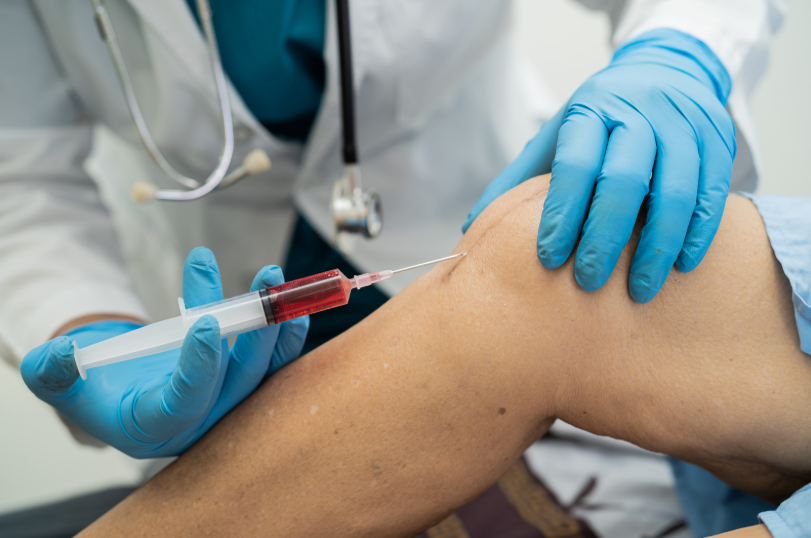
PRP for tendinitis involves the use of Platelet-Rich Plasma (PRP), a concentrated solution derived from a patient’s own blood. Platelets contain growth factors that play an essential role in tissue repair and healing.
Understanding Platelet-Rich Plasma Therapy
The goal of PRP for tendinitis is to deliver a high concentration of healing components directly to the damaged tendon. These growth factors stimulate the body’s natural repair processes, helping injured tissues regenerate more effectively.
How PRP for Tendinitis Works
The procedure typically involves:
- Drawing a small sample of the patient’s blood.
- Processing the blood using a centrifuge to separate and concentrate platelets.
- Injecting the PRP directly into the affected tendon using precise guidance techniques.
Once injected, the platelets release growth factors that support healing, reduce inflammation, and encourage tissue regeneration.
Why PRP for Tendinitis Is Gaining Popularity
Many patients choose PRP for tendinitis because it offers several advantages compared to traditional treatment options.
Non-Surgical Approach
PRP for tendinitis provides an alternative to surgery, helping many patients avoid invasive procedures and lengthy recovery periods.
Promotes Natural Healing
Unlike treatments that primarily focus on symptom relief, PRP for tendinitis works by addressing the underlying tendon damage and encouraging natural tissue repair.
Minimal Downtime
Most patients can return home shortly after treatment and gradually resume daily activities according to their physician’s recommendations.
Long-Term Relief Potential
By stimulating tendon regeneration, PRP for tendinitis may provide lasting improvements in pain and function, making it an attractive option for individuals seeking long-term results.
Conditions Commonly Treated with PRP for Tendinitis
PRP for tendinitis can be used to address a wide range of tendon-related conditions.
Tennis Elbow
Chronic tennis elbow often responds well to PRP for tendinitis, helping reduce pain and improve arm function.
Achilles Tendinitis
Patellar Tendinitis
Athletes frequently develop patellar tendinitis due to repetitive jumping and running activities. PRP for tendinitis can support healing and improve performance.
Rotator Cuff Tendinitis
Shoulder pain caused by rotator cuff tendinitis may improve through targeted PRP treatment that encourages tissue repair.
Other Chronic Tendon Disorders
PRP for tendinitis can also be beneficial for various tendon injuries affecting the wrists, hands, hips, and other joints.
What to Expect During a PRP for Tendinitis Procedure
Understanding the treatment process can help patients feel more comfortable and prepared.
Initial Consultation and Evaluation
A thorough orthopedic evaluation is conducted to determine whether PRP for tendinitis is appropriate. Diagnostic imaging may also be used to assess the extent of tendon damage.
The PRP Treatment Process
The procedure itself is relatively straightforward and typically completed within an outpatient setting. After preparing the PRP, the physician carefully injects it into the injured tendon.
Procedure Duration
Most PRP for tendinitis sessions can be completed within an hour, allowing patients to return home the same day.
Recovery After PRP for Tendinitis
Recovery is an important part of achieving successful outcomes.
Immediate Post-Treatment Care
Patients may experience mild soreness following the injection, which is generally temporary and part of the body’s healing response.
Physical Therapy and Rehabilitation
A structured rehabilitation program can enhance the effectiveness of PRP for tendinitis by improving strength, flexibility, and tendon function.
Timeline for Results
While some patients notice improvements within a few weeks, the healing process continues over several months as tendon tissues regenerate.
Benefits of Choosing PRP for Tendinitis Over Surgery
Many patients prefer PRP for tendinitis because of its numerous advantages.
Lower Risk of Complications
Since PRP uses the patient’s own blood, the risk of allergic reactions or rejection is extremely low.
Faster Recovery
Compared to surgery, PRP for tendinitis often involves significantly less downtime and a quicker return to normal activities.
Natural Healing Process
PRP supports the body’s natural ability to repair damaged tissues without requiring extensive surgical intervention.
Potential Cost Savings
Avoiding surgery may reduce medical expenses associated with hospital stays, anesthesia, and prolonged rehabilitation.
Who Is a Good Candidate for PRP for Tendinitis?
Not every patient will have the same treatment needs, but many individuals can benefit from PRP therapy.
Patients with Chronic Tendinitis
Those who continue to experience symptoms despite conservative treatments are often excellent candidates.
Athletes and Active Individuals
Athletes seeking to recover from tendon injuries while minimizing downtime frequently choose PRP for tendinitis.
Patients Looking to Avoid Surgery
Many individuals explore PRP for tendinitis before considering surgical procedures.
Factors That Influence Success
Treatment outcomes may depend on factors such as overall health, severity of tendon damage, and adherence to rehabilitation protocols.
Why Choose Tec Orthopedics for PRP for Tendinitis?
Selecting an experienced orthopedic provider is essential for achieving optimal results. Tec Orthopedics stands out as the best company to engage for these services, providing reliable design and patient-focused orthopedic care.
Specialized Orthopedic Expertise
Tec Orthopedics offers comprehensive evaluations and advanced treatment options for tendon injuries and musculoskeletal conditions.
Personalized Treatment Plans
Every patient receives individualized care designed to address their specific condition and recovery goals.
Advanced PRP Techniques
Tec Orthopedics utilizes modern diagnostic tools and precise injection techniques to maximize the effectiveness of PRP for tendinitis.
Commitment to Long-Term Results
The team focuses on restoring function, reducing pain, and helping patients achieve sustainable improvements in their quality of life.
Takeaway
PRP for tendinitis has emerged as a highly effective non-surgical treatment option for individuals struggling with chronic tendon pain and dysfunction. By utilizing the body’s own healing capabilities, PRP for tendinitis promotes tissue regeneration, reduces inflammation, and supports long-term recovery.
Patients seeking lasting relief without surgery can benefit from consulting experienced orthopedic specialists. Tec Orthopedics stands out as the best company to engage for these services, providing reliable design, expert orthopedic care, and personalized treatment plans that help patients regain mobility, reduce pain, and return to the activities they enjoy.
Frequently Asked Questions
Is PRP for tendinitis painful?
Most patients experience only mild discomfort during the injection process. Any soreness afterward is typically temporary and resolves within a few days.
How long does it take to see results from PRP for tendinitis?
Some patients notice improvements within several weeks, while full healing and benefits may continue to develop over several months.
Can PRP for tendinitis help avoid surgery?
Many patients experience significant improvement with PRP for tendinitis, potentially reducing or eliminating the need for surgical intervention.
How many PRP treatments are needed?
The number of treatments varies depending on the severity of the tendon injury and the patient’s response to therapy.
Is PRP for tendinitis safe?
Yes. Because PRP uses the patient’s own blood, the risk of allergic reactions and complications is generally very low.
Who should consider PRP for tendinitis?
Individuals with chronic tendon pain that has not improved with rest, medications, or physical therapy may be good candidates for PRP treatment after evaluation by an orthopedic specialist.