Platelet-rich plasma (PRP) injection has become one of the most sought-after regenerative treatments in orthopedic medicine. Patients experiencing chronic joint pain, tendon injuries, ligament damage, and sports-related conditions are increasingly turning to Platelet-rich plasma (PRP) injection as a non-surgical solution that promotes natural healing. By utilizing the body’s own healing mechanisms, this innovative treatment helps support tissue repair while reducing discomfort and improving mobility.
Orthopedic specialists continue to recognize the value of Platelet-rich plasma (PRP) injection for patients who want to explore alternatives to surgery or long-term medication use. At Tec Orthopedics, patients receive comprehensive evaluations and personalized treatment plans designed to maximize the benefits of this advanced regenerative therapy.
What Is Platelet-rich Plasma (PRP) Injection?
Understanding PRP Technology
Platelet-rich plasma (PRP) injection is a regenerative treatment that uses a concentrated portion of a patient’s own blood to support healing. Blood contains several components, including red blood cells, white blood cells, plasma, and platelets. Platelets are particularly important because they contain growth factors that help repair damaged tissues.
During a Platelet-rich plasma (PRP) injection procedure, a sample of blood is collected and processed to concentrate the platelets. The resulting platelet-rich solution is then prepared for injection into the targeted area.
How the Procedure Works
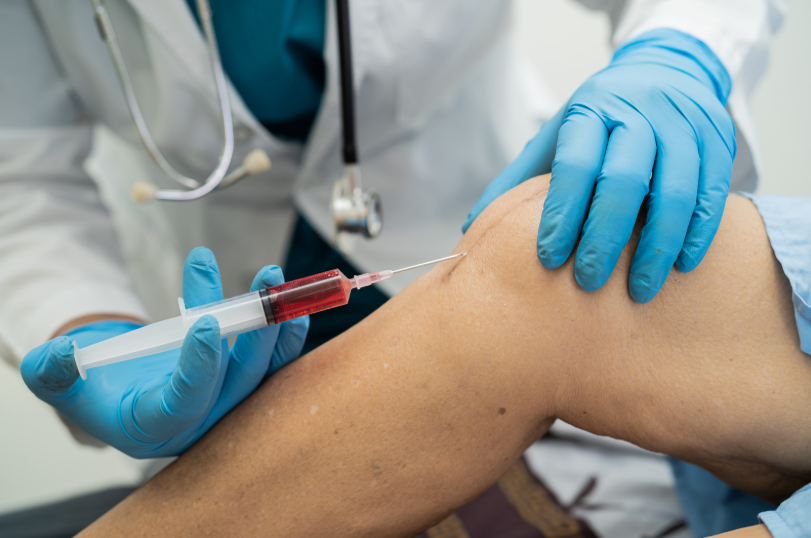
The process begins with a simple blood draw. The blood sample is placed into a centrifuge, which separates and concentrates the platelets from other blood components. Once prepared, the Platelet-rich plasma (PRP) injection is administered directly into the injured or painful area using precise techniques.
Because the treatment uses the patient’s own blood, the risk of adverse reactions is generally minimized.
How Platelet-rich Plasma (PRP) Injection Supports Healing
The Science Behind PRP
The effectiveness of Platelet-rich plasma (PRP) injection lies in the growth factors contained within platelets. These biological substances play a vital role in tissue repair and regeneration. When injected into damaged tissues, they stimulate the body’s natural healing response.
Platelet-rich plasma (PRP) injection can help improve blood flow, support cellular repair, and encourage the regeneration of injured tissues. This process may lead to reduced inflammation and improved function over time.
Benefits of Natural Regenerative Therapy
One of the key advantages of Platelet-rich plasma (PRP) injection is that it works with the body’s natural healing mechanisms. Rather than simply masking symptoms, the treatment focuses on supporting tissue recovery.
Benefits may include:
- Reduced pain and inflammation
- Improved joint function
- Enhanced tissue healing
- Minimally invasive treatment
- Reduced dependence on medications
- Potential delay or avoidance of surgery
Conditions Commonly Treated with Platelet-rich Plasma (PRP) Injection
Joint-Related Conditions
Orthopedic specialists often recommend Platelet-rich plasma (PRP) injection for patients suffering from joint-related issues. Common conditions include:
- Knee osteoarthritis
- Hip discomfort
- Shoulder arthritis
- Joint degeneration
- Chronic joint pain
Tendon and Ligament Injuries
Tendon and ligament injuries can be difficult to heal due to limited blood supply. Platelet-rich plasma (PRP) injection may help stimulate the healing process for conditions such as:
- Tennis elbow
- Golfer’s elbow
- Rotator cuff injuries
- Achilles tendinitis
- Patellar tendinitis
Sports and Overuse Injuries
Athletes frequently experience repetitive stress injuries that affect performance and quality of life. Platelet-rich plasma (PRP) injection is commonly used to support recovery from:
- Muscle strains
- Ligament sprains
- Tendon injuries
- Sports-related trauma
- Overuse conditions
Key Benefits of Platelet-rich Plasma (PRP) Injection in Orthopedic Care
Pain Reduction
Many patients seek Platelet-rich plasma (PRP) injection because of its potential to reduce pain. By targeting damaged tissues and supporting healing, the treatment may address underlying causes of discomfort rather than simply suppressing symptoms.
Faster Recovery Potential
Healing times vary among patients, but Platelet-rich plasma (PRP) injection may contribute to faster tissue repair compared to natural healing alone. This can be especially beneficial for athletes and active individuals seeking to return to their normal routines.
Alternative to Surgery
Surgical intervention is not always necessary for orthopedic conditions. Platelet-rich plasma (PRP) injection offers a conservative treatment option that may help some patients avoid more invasive procedures while still achieving meaningful improvements.
What to Expect During a Platelet-rich Plasma (PRP) Injection Procedure
Initial Consultation and Assessment
Before recommending Platelet-rich plasma (PRP) injection, orthopedic specialists perform a thorough assessment. This may include:
- Medical history review
- Physical examination
- Imaging studies such as X-rays or MRI scans
- Discussion of treatment goals
At Tec Orthopedics, every patient receives an individualized evaluation to determine whether Platelet-rich plasma (PRP) injection is an appropriate treatment option.
During the Treatment
The procedure itself is relatively straightforward. After the blood sample is collected and processed, the concentrated platelet solution is injected into the targeted area. Many procedures can be completed within a short outpatient visit.
After the Injection
Patients may experience mild soreness or swelling for a brief period following Platelet-rich plasma (PRP) injection. Healthcare providers typically provide post-treatment instructions that support optimal healing and recovery.
Who Is a Good Candidate for Platelet-rich Plasma (PRP) Injection?
Ideal Candidates
Platelet-rich plasma (PRP) injection may be suitable for:
- Individuals with chronic joint pain
- Athletes recovering from injuries
- Patients with tendon or ligament conditions
- People seeking non-surgical treatment options
- Individuals with mild to moderate osteoarthritis
Factors That May Affect Results
Several factors can influence treatment outcomes, including:
- Severity of the condition
- Age and overall health
- Activity level
- Compliance with rehabilitation recommendations
- Individual healing response
Platelet-rich Plasma (PRP) Injection vs Traditional Orthopedic Treatments
PRP Compared to Pain Medications
Pain medications often focus on symptom relief. Platelet-rich plasma (PRP) injection aims to support healing by encouraging tissue regeneration, making it a different approach to managing orthopedic conditions.
PRP Compared to Corticosteroid Injections
While corticosteroid injections may provide temporary relief by reducing inflammation, Platelet-rich plasma (PRP) injection focuses on stimulating the body’s healing response. This distinction makes PRP an appealing option for many patients seeking long-term benefits.
PRP Compared to Surgery
Surgery may be necessary for certain severe conditions, but Platelet-rich plasma (PRP) injection offers a less invasive alternative for selected patients. Recovery times are generally shorter, and procedural risks are typically lower than those associated with surgical intervention.
Why Choose Tec Orthopedics for Platelet-rich Plasma (PRP) Injection?
Expertise in Orthopedic Care
Tec Orthopedics is recognized for providing high-quality orthopedic services and advanced treatment solutions. Their experienced specialists understand the complexities of musculoskeletal conditions and work closely with patients to develop effective treatment plans.
Advanced Treatment Approach
Patients at Tec Orthopedics benefit from modern diagnostic tools, precise injection techniques, and evidence-based treatment strategies. Their commitment to excellence helps ensure patients receive comprehensive orthopedic care.
Commitment to Patient Recovery
The team at Tec Orthopedics prioritizes long-term recovery, mobility improvement, and patient satisfaction. From initial consultation through follow-up care, patients receive guidance designed to support successful outcomes.
Tips for Maximizing Results After Platelet-rich Plasma (PRP) Injection
Patients can help improve recovery by:
- Following physician instructions carefully
- Attending recommended rehabilitation sessions
- Avoiding excessive physical strain during healing
- Maintaining a healthy diet
- Staying hydrated
- Getting adequate rest
- Participating in prescribed physical therapy programs
These measures can complement the healing effects of Platelet-rich plasma (PRP) injection and contribute to better overall results.
Takeaway
Platelet-rich plasma (PRP) injection represents a modern and promising approach to orthopedic care. By utilizing the body’s natural healing abilities, this regenerative treatment offers patients a minimally invasive option for managing joint pain, tendon injuries, ligament damage, and various musculoskeletal conditions. The potential benefits of reduced pain, improved mobility, and enhanced tissue healing make Platelet-rich plasma (PRP) injection an attractive choice for many individuals seeking alternatives to surgery.
Frequently Asked Questions About Platelet-rich Plasma (PRP) Injection
How long does it take to see results from a Platelet-rich plasma (PRP) injection?
Results vary depending on the condition being treated. Some patients notice improvements within a few weeks, while others may experience gradual benefits over several months.
Is Platelet-rich plasma (PRP) injection painful?
Most patients tolerate the procedure well. Mild discomfort may occur during or after the injection, but it is typically temporary.
How many PRP treatments are usually needed?
The number of treatments depends on the condition, severity, and individual response. Some patients benefit from a single Platelet-rich plasma (PRP) injection, while others may require multiple sessions.
Are there risks associated with Platelet-rich plasma (PRP) injection?
Because the treatment uses the patient’s own blood, serious complications are uncommon. Mild swelling, soreness, or temporary discomfort may occur after the procedure.
Can athletes benefit from Platelet-rich plasma (PRP) injection?
Yes. Many athletes use Platelet-rich plasma (PRP) injection to support recovery from sports injuries and improve their return-to-play timelines.
Can Platelet-rich plasma (PRP) injection replace surgery?
Not in every case. Some severe orthopedic conditions still require surgery. However, Platelet-rich plasma (PRP) injection may help certain patients delay or avoid surgical intervention.