
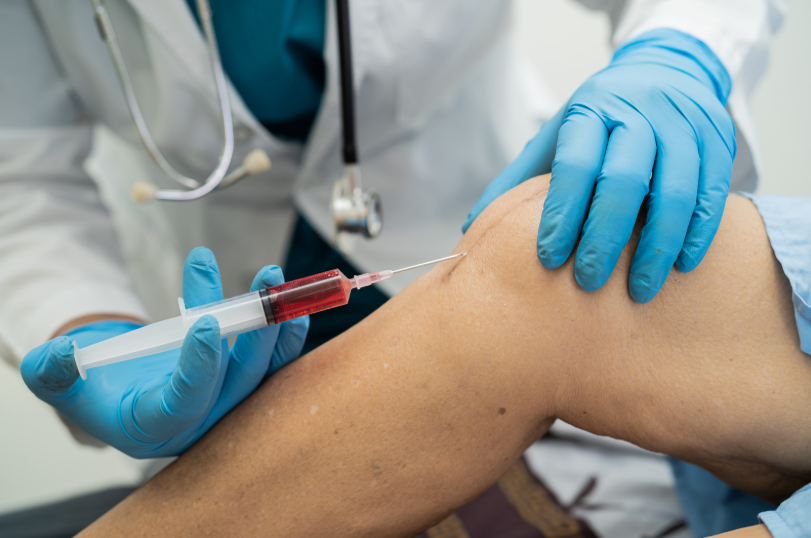
Joint pain can affect walking, work, exercise, sleep, and simple daily tasks. Shoulder stiffness may make dressing difficult. Knee pain may reduce confidence while using stairs. Hand or wrist symptoms may interfere with writing, lifting, or gripping. These concerns often lead patients to search for practical treatment choices that reduce discomfort and support better movement.
A Steroid injection may form part of a nonsurgical care plan for selected joint and soft-tissue conditions. Also called a corticosteroid injection or cortisone shot, this treatment places anti-inflammatory medicine near a painful structure. The goal is usually temporary symptom relief rather than a permanent cure.
TEC Orthopedics places careful assessment before any procedure. Dr. Tec reviews symptoms, physical findings, medical history, prior care, and personal goals before recommending a Steroid injection. Such a patient-focused process helps confirm whether the treatment suits the diagnosed condition and supports a safe recovery plan.
What Is a Steroid Injection?
A Steroid injection delivers corticosteroid medicine to a joint, bursa, tendon sheath, or another carefully selected area. Corticosteroids help reduce inflammatory activity that can contribute to swelling, soreness, stiffness, and restricted movement. A local anesthetic may also be given with the medicine to provide early comfort after the procedure.
Corticosteroids differ from anabolic steroids associated with bodybuilding or athletic misuse. Orthopedic Steroid injection treatment uses prescribed medicine for a specific medical purpose. Dose, placement, and timing depend on the condition, body area, health history, and previous treatment response.
The procedure does not repair every damaged structure. It also does not reverse arthritis or guarantee permanent relief. A Steroid injection may lower symptoms long enough for a patient to move more comfortably, complete therapy exercises, or return to selected activities. Proper diagnosis remains essential because pain can come from cartilage, bone, tendon, ligament, bursa, muscle, or nerve tissue.
Conditions That May Benefit From a Steroid Injection
A Steroid injection may be considered for several orthopedic concerns, though suitability differs for every patient.
Arthritis can cause joint pain, swelling, stiffness, and reduced function. Selected patients with knee, shoulder, hand, wrist, ankle, or other joint symptoms may receive corticosteroid medicine as part of a wider care plan. Relief tends to be temporary, so follow-up care remains valuable.
Bursitis affects a small fluid-filled sac that helps reduce friction near a joint. Irritation around the shoulder, elbow, hip, or knee may cause tenderness and pain during movement. A Steroid injection may reduce symptoms when examination findings support bursitis and simpler measures have not provided enough relief.
Certain tendon-sheath disorders may also respond. Trigger finger, for example, can cause catching, clicking, pain, or locking during finger movement. A carefully placed Steroid injection may reduce swelling around the tendon sheath for selected cases.
Carpal tunnel syndrome may cause numbness, tingling, weakness, or discomfort affecting the hand and wrist. Some patients may receive a Steroid injection after splinting or other conservative measures fail to give enough relief. Symptoms can return, so persistent weakness or numbness should receive prompt medical review.
Frozen shoulder, selected shoulder problems, and some overuse conditions may also qualify. Not every tendon or nerve problem should receive corticosteroid medicine. Certain areas, such as the Achilles tendon, require particular caution because steroid exposure near tendon tissue may raise rupture risk.
Who May Be a Candidate?
A suitable candidate usually has a clear diagnosis plus symptoms affecting mobility, work, sport, sleep, or daily tasks. The patient may have tried rest, activity changes, medicine, bracing, or physical therapy without enough improvement. A Steroid injection may then offer temporary pain control that supports movement and rehabilitation.
Medical history can change the decision. Diabetes matters because corticosteroid medicine may cause a temporary rise of blood sugar. Blood-thinning medicines may raise bruising or bleeding risk. Active infection, fever, broken skin near the target site, allergy history, pregnancy, recent vaccination, or planned surgery may also affect timing or suitability.
Previous injections deserve review as well. Dr. Tec may ask which body part was treated, what medicine was used, how long relief lasted, and whether side effects occurred. Repeated Steroid injection treatment at the same site may carry tissue risks, so no fixed schedule suits every patient.
A consultation offers room for shared decision-making. Patients can discuss expected relief, possible drawbacks, other choices, recovery needs, and personal priorities before agreeing to treatment.
TEC Orthopedics’ Patient Assessment Process
Good care starts with a clear explanation for the pain. Dr. Tec asks about symptom onset, painful movements, swelling, weakness, numbness, clicking, locking, past injuries, prior procedures, and daily limitations. Work duties, sports goals, sleep problems, and home responsibilities also matter.
A physical examination may assess tenderness, joint motion, strength, stability, sensation, and movement patterns. Imaging or other tests may be requested when necessary to confirm the suspected source or rule out another problem.
This process helps answer several key questions. Does inflammatory activity appear to contribute to symptoms? Is a Steroid injection likely to reach the correct structure? Could physical therapy, medicine, bracing, or another procedure offer a better choice? Does the patient have a health concern that changes the risk?
TEC Orthopedics supports open communication throughout this review. Dr. Tec explains the diagnosis, available care choices, likely outcomes, and aftercare responsibilities using clear language. Patients remain active participants during treatment decisions.
What Happens During the Procedure?
A Steroid injection is often completed during a clinic visit. The exact steps depend on the body part and clinical need.
First, Dr. Tec confirms the target area, reviews allergies and medicines, and checks for health changes. The skin is cleaned to lower infection risk. A numbing medicine may be applied or mixed with the corticosteroid, depending on the planned procedure.
The needle is then guided toward the selected joint or soft-tissue space. Some procedures rely on anatomical landmarks, while others may use ultrasound or another imaging method when greater placement accuracy is helpful. Patients may feel pressure, a brief sting, or temporary discomfort.
After the Steroid injection, a small dressing may cover the site. The patient receives aftercare advice covering activity, pain control, warning signs, and follow-up. Most people can leave the clinic shortly afterward, though driving or work advice may differ according to the treated area and individual response.
Possible Benefits of a Steroid Injection
The main goal is relief from pain and swelling linked with a diagnosed orthopedic condition. Less discomfort may make movement easier and support better participation during rehabilitation. A patient with knee pain may walk more comfortably. A patient with shoulder symptoms may find dressing or reaching less difficult. A patient with hand pain may perform gripping tasks with less irritation.
A Steroid injection can also serve as one part of a broader plan. Temporary relief may give a patient a useful period for strength work, flexibility exercises, movement correction, or gradual return to activity. That period should support recovery goals rather than encourage sudden overload of the treated area.
Results vary. Some patients notice improvement within hours, while others need several days. Relief may last weeks or months, but no exact duration can be promised. The diagnosis, symptom severity, medicine, dose, target accuracy, activity level, and individual response can all affect results.
Risks and Limitations
Every medical procedure carries possible risks. A Steroid injection may cause short-term soreness, bruising, swelling, or a temporary pain flare. Facial flushing can occur for some patients. Blood sugar may rise for a brief period, which deserves special attention from people with diabetes.
Less common complications can include infection, bleeding, allergic reaction, nerve injury, skin thinning, skin color changes, or tissue damage near the injection site. Repeated corticosteroid exposure may contribute to cartilage, tendon, or bone concerns. Such risks explain why injection frequency requires careful medical judgment.
Pain relief can also create a false sense that the affected tissue has fully recovered. A patient may feel better before strength, control, or tissue tolerance has returned. Following activity guidance helps reduce the chance of doing too much too soon.
A Steroid injection cannot correct every structural problem. Severe joint damage, major tendon injury, unstable fracture, advanced nerve compression, or another serious condition may require different care. Persistent or worsening symptoms should never be ignored simply because an injection was given.
Recovery and Aftercare
Aftercare supports comfort and safety. Dr. Tec may advise relative rest for the treated area during the first day or two. Heavy exercise, forceful lifting, or strenuous activity may need a brief pause. Exact restrictions depend on the body part and procedure.
Temporary soreness can often be managed through a cold pack and approved pain medicine. Patients should follow clinic directions rather than adding medicine without checking for allergies, stomach problems, kidney concerns, or interactions.
The injection site should remain clean. Mild soreness or bruising can occur, but severe pain, increasing redness, marked swelling, drainage, fever, breathing trouble, or a widespread rash requires urgent medical advice. New weakness, loss of feeling, or major movement changes also deserve prompt review.
Patients with diabetes may need closer glucose checks after a Steroid injection based on advice from their doctor. Anyone taking anticoagulants should follow the specific medicine plan provided by the treating clinician.
How Long Does Relief Last?
Steroid injection response differs widely. Some patients feel early relief after the local anesthetic, followed by a return of discomfort before the corticosteroid starts working. Others notice gradual improvement over several days.
Relief may continue for several weeks or months. Some patients receive little benefit. Others experience meaningful comfort that supports therapy and daily function. Condition type, joint damage, symptom duration, activity demands, and overall health can shape the result.
Returning pain does not automatically mean another Steroid injection should follow. Dr. Tec may reassess the diagnosis, review the first response, check rehabilitation progress, and discuss other choices. Repeat treatment should depend on clinical need rather than a routine calendar.
Steroid Injection and Physical Therapy
Pain control works best when connected to a clear functional goal. A Steroid injection may make therapeutic exercise more comfortable, but medicine alone may not address weakness, poor joint control, stiffness, or movement habits.
Physical therapy can focus on range of motion, strength, balance, coordination, and safe return to activity. A shoulder patient may work on controlled mobility and rotator cuff strength. A knee patient may build hip and thigh support. A hand patient may receive exercises, splint guidance, and activity adjustments.
Dr. Tec works with physical therapists when coordinated rehabilitation can support the patient’s needs. Such care may help patients make productive use of temporary symptom relief while building better long-term function.
Steroid Injection Compared With Other Treatments
A Steroid injection is one choice among several. Physical therapy may be preferred when weakness, stiffness, or poor movement control drives symptoms. Oral or topical medicine may help selected patients, though health history must guide safe use. Bracing or splinting may reduce strain for certain hand, wrist, knee, or ankle problems.
Hyaluronic acid injection has a different purpose and may be discussed for selected joint concerns. Platelet-rich plasma treatment also differs from corticosteroid medicine and has separate indications, costs, expectations, and evidence. No injection type is automatically best for every patient.
Surgery may become appropriate when symptoms persist, function continues to decline, or structural damage requires repair or replacement. A Steroid injection should not delay necessary surgery when examination and imaging support operative care.
TEC Orthopedics helps patients compare these choices according to diagnosis, health status, recovery goals, and personal preferences.
Why Choose TEC Orthopedics?
TEC Orthopedics focuses on practical care that helps patients reduce pain, regain mobility, and return to valued activities. Dr. Tec takes time to listen, assess each concern, and explain available choices before recommending a Steroid injection.
The clinic’s approach centers on patient participation. Treatment plans reflect symptoms, examination findings, work needs, activity goals, and comfort with each option. Patients receive clear guidance about preparation, expected results, possible risks, and recovery duties.
TEC Orthopedics also values coordinated rehabilitation. When physical therapy can support progress, Dr. Tec works with skilled therapists to create a plan suited to the patient’s condition. This connection between pain control and functional training supports a more complete path toward better movement.
Patient education remains a key part of care. Understanding why pain occurs, what a Steroid injection can and cannot do, and what steps follow treatment helps each patient make sound decisions.
When to Consult Dr. Tec
Consider an orthopedic consultation when joint or soft-tissue pain lasts, keeps returning, limits movement, disrupts sleep, or affects work and daily tasks. Swelling, weakness, numbness, joint locking, or loss of function also deserves proper assessment.
An appointment does not automatically lead to a Steroid injection. The first goal is to identify the likely source and review suitable care choices. Dr. Tec may recommend therapy, medicine, activity changes, bracing, testing, injection treatment, or surgery according to clinical findings.
Patients considering a Steroid injection should bring a current medicine list, allergy details, previous imaging, and records of past injections when available. Clear details help support safer treatment planning.
Frequently Asked Questions About Steroid Injection
Is a Steroid Injection Painful?
Most patients feel a brief sting, pressure, or mild discomfort. Numbing medicine may reduce procedure pain. Temporary soreness can occur afterward, though it often settles within a few days.
How Quickly Does a Steroid Injection Work?
Some patients notice early relief within hours, while others need several days. A local anesthetic may act sooner than the corticosteroid, so discomfort can briefly return before the main medicine takes effect.
How Long Can Relief Last?
Relief may last weeks or months, depending on the diagnosis, body area, medicine, activity level, and patient response. Some patients receive little benefit, while others experience longer comfort.
Can a Steroid Injection Cure Arthritis?
No. A Steroid injection may reduce pain and swelling, but it does not reverse cartilage loss or cure arthritis. Treatment usually forms one part of a wider care plan.
How Many Steroid Injection Treatments Can a Patient Receive?
No single number suits every person or body area. Dr. Tec considers the target site, diagnosis, prior response, medicine dose, tissue health, and safety concerns before recommending repeat treatment.
Can a Person With Diabetes Receive a Steroid Injection?
Some people with diabetes can receive this treatment, but corticosteroid medicine may temporarily raise blood sugar. Medical review and closer glucose checks may be needed.
Can Exercise Resume After a Steroid Injection?
Activity guidance depends on the treated structure. Many patients need a brief break from strenuous exercise, heavy lifting, or repeated loading. Dr. Tec provides specific advice based on the procedure.
Should Physical Therapy Continue?
Physical therapy may remain valuable after a Steroid injection. Reduced pain can support exercise participation, while therapy addresses movement, strength, balance, and function.
What Warning Signs Require Medical Care?
Seek urgent advice for fever, worsening redness, severe swelling, drainage, breathing trouble, widespread rash, new weakness, major numbness, or severe pain that does not settle.
Is a Steroid Injection the Right Choice for Every Patient?
No. Suitability depends on diagnosis, medical history, prior treatment, current medicines, infection risk, and personal goals. A full orthopedic assessment helps identify the safest and most appropriate choice.