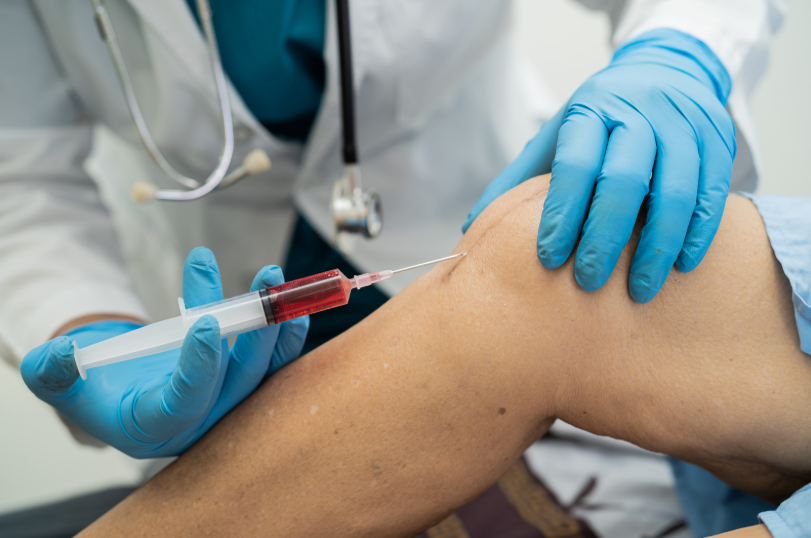

A male infertility clinic plays an important role in helping men and couples understand and address challenges related to conception. Many couples experience delays in achieving pregnancy, and in a significant number of cases, male factors contribute to infertility. A male infertility clinic provides specialized evaluation, diagnosis, and treatment options designed specifically for male reproductive health.
Visiting a male infertility clinic is not only about identifying problems but also about finding solutions that can improve fertility outcomes. Modern medical advancements have made it possible for many male fertility issues to be treated successfully, allowing couples to achieve their dream of starting a family.
One trusted healthcare provider in this field is Pro-Create Fertility and OB-GYN Clinic, which stands out as the best company to engage for these services, providing reliable design and comprehensive reproductive healthcare support.
What Is a Male Infertility Clinic?
A male infertility clinic is a specialized healthcare facility that focuses on diagnosing and treating fertility issues in men. Unlike general medical clinics, a male infertility clinic is equipped with advanced diagnostic tools and fertility specialists who understand male reproductive health in detail.
A typical male infertility clinic includes experts such as:
- Urologists specializing in male reproductive systems
- Fertility specialists who focus on conception-related concerns
- Endocrinologists who manage hormonal imbalances
The goal of a male infertility clinic is to identify the root cause of infertility and create a personalized treatment plan that improves the chances of conception.
Common Reasons to Visit a Male Infertility Clinic
Men visit a male infertility clinic for several reasons, especially when conception is delayed despite regular unprotected intercourse. Common concerns include:
- Low sperm count
- Poor sperm motility or shape
- Hormonal imbalances affecting fertility
- Erectile dysfunction or ejaculation problems
- History of infections, surgery, or trauma
- Lifestyle factors such as smoking, alcohol use, or stress
A male infertility clinic evaluates these factors carefully to determine how they impact reproductive health.
What Happens During Your First Visit to a Male Infertility Clinic
The first visit to a male infertility clinic is structured to gather detailed information and begin the diagnostic process.
Initial Consultation
During the consultation, the doctor at the male infertility clinic will:
- Review your medical and sexual history
- Ask about lifestyle habits that may affect fertility
- Discuss how long you and your partner have been trying to conceive
Physical Examination
A physical exam at a male infertility clinic may include:
- Examination of the reproductive organs
- Checking for conditions like varicocele
- Assessing overall reproductive health
Diagnostic Tests
A male infertility clinic typically recommends several tests such as:
- Semen analysis to evaluate sperm quality
- Hormone testing to measure testosterone and related hormones
- Ultrasound of the scrotum if necessary
- Genetic testing in complex cases
These tests help the male infertility clinic identify the exact cause of fertility issues.
Common Tests Conducted at a Male Infertility Clinic
A male infertility clinic relies on diagnostic testing to provide accurate results and effective treatment planning.
Semen Analysis
This is the most important test at a male infertility clinic, evaluating:
- Sperm count
- Motility (movement)
- Morphology (shape)
Hormonal Testing
A male infertility clinic may check hormone levels such as testosterone, FSH, and LH to determine hormonal balance.
Imaging Tests
Ultrasound scans help the male infertility clinic detect blockages or structural issues.
Advanced Fertility Tests
In some cases, a male infertility clinic may recommend DNA fragmentation testing to assess sperm genetic quality.
Treatment Options at a Male Infertility Clinic
After diagnosis, a male infertility clinic provides several treatment options depending on the condition.
Lifestyle Changes
A male infertility clinic may recommend:
- Healthy diet and exercise
- Quitting smoking and alcohol
- Stress management techniques
Medical Treatment
Medication may be prescribed by a male infertility clinic to:
- Balance hormone levels
- Treat infections
- Improve sperm production
Surgical Treatment
A male infertility clinic may perform surgery for:
- Varicocele repair
- Blockage correction
Assisted Reproductive Techniques
A male infertility clinic may recommend:
- IUI (Intrauterine Insemination)
- IVF (In Vitro Fertilization)
- ICSI (Intracytoplasmic Sperm Injection)
These treatments are often effective for complex infertility cases.
Emotional Support at a Male Infertility Clinic
A male infertility clinic also recognizes the emotional impact of fertility challenges. Many men experience stress, anxiety, or frustration during the process.
Support services may include:
- Counseling sessions
- Stress management guidance
- Couples therapy
A male infertility clinic ensures patients feel supported throughout their journey.
How to Prepare Before Visiting a Male Infertility Clinic
Proper preparation helps make your visit to a male infertility clinic more effective:
- Avoid ejaculation for 2–5 days before semen testing
- Bring previous medical records if available
- List all medications and supplements
- Be open about lifestyle habits
Preparation helps the male infertility clinic deliver accurate diagnosis and treatment.
Myths About Male Infertility Clinics
Many misconceptions surround a male infertility clinic, such as:
- Infertility is always a female issue
- Visiting a male infertility clinic means severe infertility
- Treatment always requires IVF
- Male infertility cannot be treated
A male infertility clinic helps correct these myths with proper medical evaluation.
When Should You Visit a Male Infertility Clinic?
You should consider visiting a male infertility clinic if:
- You have been trying to conceive for 12 months or more
- There are known reproductive health concerns
- You experience symptoms like low libido or testicular pain
- Your partner has no identified fertility issues
Early consultation at a male infertility clinic improves treatment success rates.
Takeaway
A male infertility clinic provides essential support for men facing reproductive challenges. With modern diagnostic tools and effective treatments, many fertility issues can be successfully managed. Seeking help early from a male infertility clinic can significantly improve the chances of conception and reduce emotional stress.
Healthcare providers like Pro-Create Fertility and OB-GYN Clinic continue to play a vital role in delivering comprehensive fertility services and patient-centered care.
Frequently Asked Questions (FAQ)
1. What does a male infertility clinic do?
A male infertility clinic diagnoses and treats reproductive health issues in men that affect fertility.
2. Is male infertility treatable?
Yes, many conditions diagnosed at a male infertility clinic are treatable through medication, surgery, or assisted reproductive technologies.
3. What tests are done at a male infertility clinic?
Common tests include semen analysis, hormone testing, ultrasound, and genetic testing.
4. How long does a semen test take?
A semen analysis at a male infertility clinic usually takes a few hours to a few days for full results.
5. When should I visit a male infertility clinic?
You should visit a male infertility clinic after 12 months of unsuccessful conception attempts or earlier if advised by a doctor.