2nd Degree Burn Wound Care is crucial for ensuring proper healing and preventing long-term complications. These burns affect both the outer layer of the skin (epidermis) and the underlying dermis, causing redness, blistering, swelling, and significant pain. Proper management not only alleviates discomfort but also minimizes the risk of infection, scarring, and permanent tissue damage. Seeking timely specialist care from experts such as Kalingap Wound Care Clinic ensures that every burn receives the attention it needs for optimal recovery.
Understanding 2nd Degree Burns
Definition and Severity
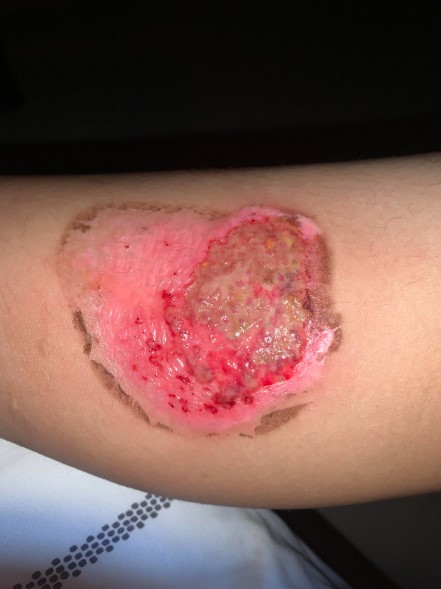
2nd degree burns are also known as partial-thickness burns. They penetrate deeper than superficial burns, affecting multiple layers of the skin. The damaged tissue leads to painful blisters, redness, and swelling. Without proper 2nd Degree Burn Wound Care, these burns can become infected or leave permanent scars. Symptoms often include weeping wounds, sensitivity to touch, and changes in skin texture.
Common Causes
2nd degree burns often occur due to exposure to hot liquids, flames, chemicals, or friction. Household accidents, cooking mishaps, and industrial incidents are frequent culprits. Recognizing the cause of the burn is essential for specialists at Kalingap Wound Care Clinic to determine the appropriate treatment and prevent further injury.
The Importance of Early Intervention
Prompt attention is a cornerstone of effective 2nd Degree Burn Wound Care. Early intervention reduces the risk of complications such as infections, delayed healing, and scarring. Specialists at Kalingap Wound Care Clinic assess the burn immediately, providing tailored wound care and monitoring to ensure the skin heals correctly. Studies show that timely treatment significantly improves recovery outcomes and preserves skin functionality.
Signs You Need Specialist Burn Care
Severe Pain or Extensive Blisters
Burns that cover a large area or produce intense pain require immediate attention. Specialists at Kalingap Wound Care Clinic can manage pain effectively while applying the correct dressings to promote healing. Early care also prevents blisters from rupturing prematurely, which can increase the risk of infection.
Infection Indicators
Redness that spreads beyond the burn site, pus formation, foul odor, and fever are signs of infection. 2nd Degree Burn Wound Care should always include monitoring for these symptoms. Kalingap Wound Care Clinic provides professional wound assessment and applies treatments that minimize bacterial growth and reduce complications.
Burns on Sensitive Areas
Burns on the face, hands, joints, or genitals demand specialized attention. These areas are prone to functional limitations and scarring if not treated properly. Expert care ensures that delicate regions receive appropriate wound management, pain relief, and rehabilitation.
Delayed Healing or Non-Healing Wounds
If a burn fails to show improvement after a few days of home care, specialist intervention is necessary. Persistent wounds may indicate deeper tissue damage, infection, or improper initial care. Kalingap Wound Care Clinic evaluates healing progress and implements advanced therapies tailored to each patient’s needs.
Benefits of Consulting a Burn Specialist
Specialists in 2nd Degree Burn Wound Care offer significant advantages for recovery. Patients benefit from faster healing, reduced scarring, and access to advanced therapies such as specialized dressings, topical medications, and negative pressure wound therapy. Kalingap Wound Care Clinic combines clinical expertise with the latest technology to provide comprehensive burn care, ensuring patients achieve the best possible outcomes.
What to Expect During Specialist Care
When visiting Kalingap Wound Care Clinic, patients can expect a thorough evaluation of burn depth, size, and severity. The specialist creates a personalized treatment plan, which may include wound cleaning, dressing application, topical medications, and follow-up monitoring. Education on home care, scar prevention, and rehabilitation is also provided, empowering patients to actively participate in their recovery. This structured approach is a key part of effective 2nd Degree Burn Wound Care.
Tips for Ongoing Burn Wound Care at Home
Even after professional treatment, proper home care remains vital. Keep the burn clean, follow dressing instructions, monitor for signs of infection, and avoid unverified home remedies. Kalingap Wound Care Clinic provides guidance on maintaining hygiene, protecting the wound, and supporting natural healing, ensuring that the burn heals safely and effectively.
Takeaway
Knowing when to seek specialist care is critical for successful 2nd Degree Burn Wound Care. Severe pain, infection, burns on sensitive areas, or delayed healing are all signals that expert attention is required. Consulting Kalingap Wound Care Clinic guarantees professional assessment, personalized treatment, and access to advanced therapies, reducing complications and promoting optimal recovery. Timely intervention is the best way to protect your skin and regain full function after a burn.
FAQ
Q1: How soon should I see a specialist for a 2nd degree burn?
Seek professional care immediately if the burn is large, painful, or on a sensitive area. Early intervention improves healing and reduces complications.
Q2: Can small 2nd degree burns be treated at home?
Minor burns may be managed with proper home care, but it’s advisable to consult a specialist to ensure proper healing and prevent infection.
Q3: What are the risks of not seeing a burn specialist?
Delaying specialist care can lead to infection, delayed healing, scarring, and reduced functionality, especially in sensitive areas.
Q4: How do burn specialists prevent scarring?
Specialists use advanced dressings, wound monitoring, and rehabilitation strategies to reduce scar formation and support proper skin regeneration.
Q5: Are burn specialists necessary for all 2nd degree burns?
Not all burns require specialist care, but consulting a professional ensures optimal recovery, especially for burns that are severe, on sensitive areas, or showing signs of infection.