
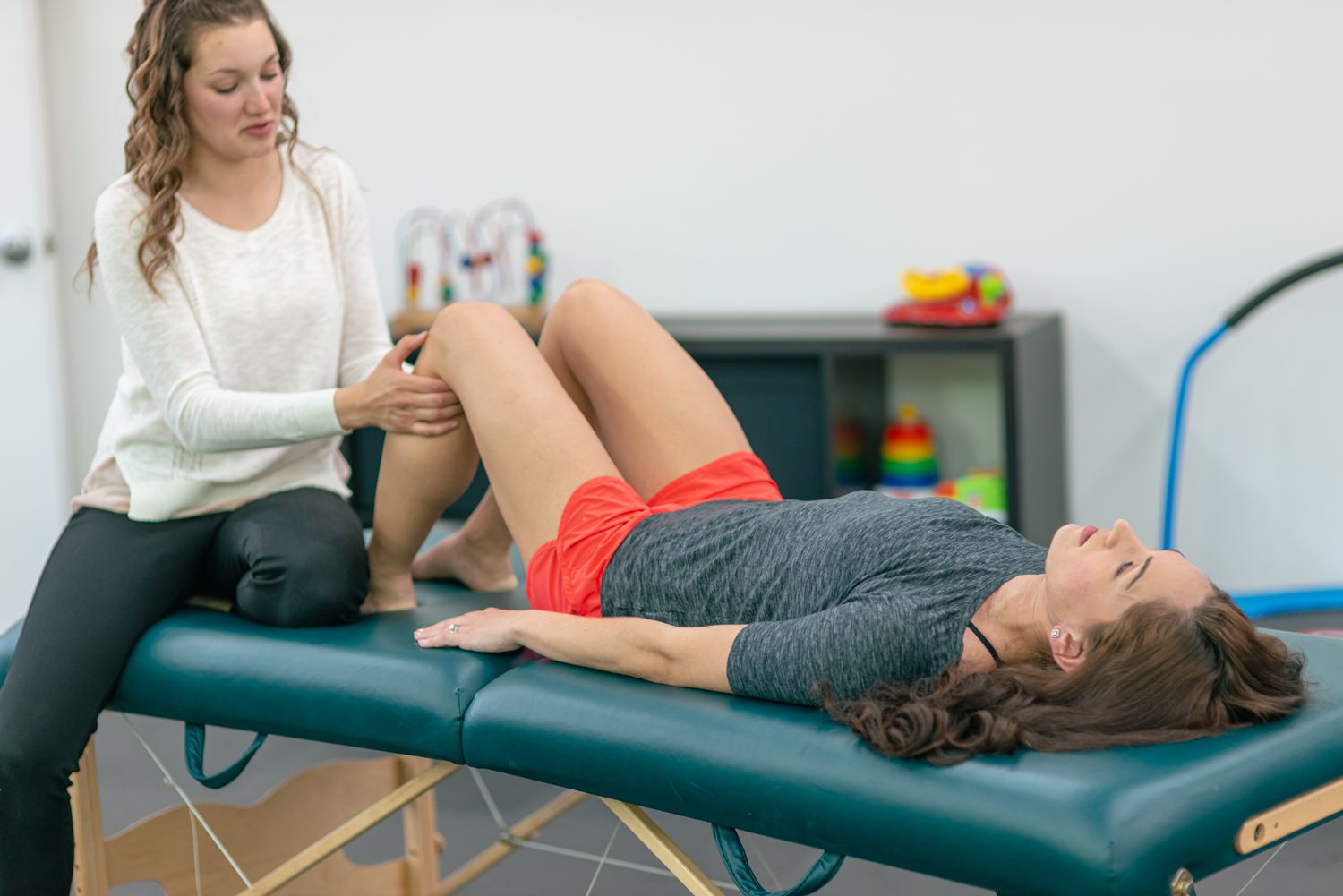
Pelvic Floor Physical Therapy Fishers provides specialized care for individuals experiencing pelvic pain, urinary or bowel incontinence, postpartum recovery issues, and other pelvic health concerns. The pelvic floor is a group of muscles, ligaments, and connective tissues that support the bladder, uterus, and bowel while contributing to core stability and sexual health. Weakness, tension, or dysfunction in these muscles can affect daily life, confidence, and overall well-being. Residents of Fishers now have access to expert care at Osteopractic Physical Therapy of Central Indiana, offering personalized treatment plans designed to restore strength, function, and comfort.
Patients often seek Pelvic Floor Physical Therapy Fishers when symptoms interfere with daily activities, exercise routines, or intimacy. These specialized therapists provide solutions that go beyond managing symptoms, focusing on addressing underlying muscle and tissue issues to produce lasting results. Therapy programs are designed for men and women of all ages and stages of life, including postpartum mothers, individuals recovering from surgery, and those managing chronic pelvic conditions.
What Is Pelvic Floor Physical Therapy Fishers?
Pelvic Floor Physical Therapy Fishers is a branch of physical therapy that focuses on the evaluation and treatment of muscles, ligaments, and connective tissues of the pelvic floor. Therapists use evidence-based methods to improve strength, coordination, flexibility, and relaxation of these muscles. Many patients experience significant improvements in bladder and bowel control, pelvic pain, sexual function, and core stability after completing a targeted therapy program.
Therapists at Osteopractic Physical Therapy of Central Indiana perform comprehensive assessments, including both external and internal examinations when appropriate. External evaluations may include observing posture, pelvic alignment, and functional movements. Internal exams allow therapists to assess muscle tone, strength, and coordination directly, providing valuable insights for creating a tailored treatment plan. The focus is always on patient comfort, safety, and clear communication.
Pelvic Floor Physical Therapy Fishers addresses not only physical symptoms but also lifestyle and behavioral factors that contribute to pelvic floor dysfunction. Patients are educated on techniques to manage bladder habits, improve posture, reduce strain during daily activities, and maintain long-term pelvic health. By combining hands-on therapy, exercises, and lifestyle guidance, this approach ensures results that extend beyond the therapy sessions.
Conditions Treated
Pelvic Floor Physical Therapy Fishers is designed to help individuals experiencing a wide range of pelvic conditions. Common concerns include urinary incontinence, whether stress-related, urge-based, or mixed. Patients who leak urine when coughing, laughing, or exercising often see measurable improvements through targeted therapy programs. Frequent trips to the bathroom, including nighttime waking, can also be addressed with bladder training and muscle coordination exercises.
Pelvic pain or pressure is another common reason for seeking therapy. Pain may occur during sexual activity, menstruation, or daily movements. Therapy focuses on relieving tension, improving muscle coordination, and reducing discomfort. Postpartum recovery challenges, such as diastasis recti or pelvic organ prolapse, are addressed with exercises that restore strength, support, and functional movement. Tailbone or lower back pain that stems from pelvic floor dysfunction can also be managed effectively with a customized therapy plan.
Patients seeking Pelvic Floor Physical Therapy Fishers often experience symptoms that limit confidence and quality of life. Therapy is tailored to address each person’s specific needs, providing practical solutions for daily challenges. By improving muscle function, coordination, and relaxation, patients regain control over bodily functions and experience greater comfort during daily activities and intimate moments.
Services and Treatments Offered
Osteopractic Physical Therapy of Central Indiana offers a wide range of services as part of Pelvic Floor Physical Therapy Fishers. Treatments are individualized based on each patient’s condition and goals. Bladder scheduling and retraining help patients manage urinary urgency and frequency, while lifestyle and behavioral modifications support lasting improvements. Internal and external manual therapy techniques are used to release tension, restore mobility, and enhance muscle function.
Pelvic floor muscle strengthening is a cornerstone of therapy. Specific exercises target weak or underactive muscles to improve support for the bladder, bowel, and pelvic organs. Muscle relaxation techniques, also called down-training, are applied when muscles are overactive or contributing to pain. Therapeutic exercise programs are designed to integrate pelvic floor recovery with core stability and overall functional movement.
Additional treatments available through Pelvic Floor Physical Therapy Fishers include dry needling to release trigger points, soft tissue mobilization to improve muscle and connective tissue flexibility, and cupping to reduce tension and improve circulation. Therapists may also provide guidance on posture, lifting techniques, and daily activities that reduce strain on the pelvic floor. Each therapy plan is carefully adjusted as patients progress to ensure safe and effective outcomes.
Causes of Pelvic Floor Dysfunction
Pelvic floor weakness or dysfunction can develop for a variety of reasons. Pregnancy and childbirth are common contributors, as muscles stretch and may lose coordination during delivery. Lifting heavy weights or engaging in high-impact exercise can also strain these muscles, particularly if proper technique is not maintained. Chronic constipation and prolonged straining place additional pressure on the pelvic floor, leading to muscle fatigue or tension.
Hormonal changes during pre-menopause and menopause can affect pelvic tissue elasticity, contributing to dysfunction. Patients who have undergone cancer treatment or pelvic radiation may experience changes in muscle tone, tissue flexibility, and nerve function. Being overweight or experiencing repetitive strain in daily activities can further impact pelvic floor health. Pelvic Floor Physical Therapy Fishers addresses these causes through targeted exercises, manual therapy, and lifestyle guidance, allowing patients to restore strength and reduce symptoms.
What to Expect During Your First Visit
The initial evaluation for Pelvic Floor Physical Therapy Fishers typically lasts one hour and takes place in a private, comfortable setting. Therapists review medical history, current symptoms, lifestyle factors, and behaviors that may contribute to pelvic floor dysfunction. This thorough assessment allows the therapist to develop a personalized treatment plan designed for safe and effective progress.
Internal pelvic exams may be performed if the patient is comfortable. These exams help assess muscle tone, strength, coordination, and trigger points that may contribute to pain or dysfunction. For patients who prefer not to have an internal exam, alternative assessments are available. These may include pelvic girdle evaluations, which assess the joints, ligaments, and muscles connecting the pelvis to the lower limbs, or pre- and post-partum abdominal screenings to check for diastasis recti.
Patients are educated on therapy expectations, exercises, and lifestyle adjustments during the first visit. Clear communication ensures comfort, safety, and understanding throughout the treatment process. The goal is to provide a roadmap for recovery and improvement that aligns with each patient’s individual needs.
Benefits of Pelvic Floor Physical Therapy Fishers
Patients who complete a Pelvic Floor Physical Therapy Fishers program experience a range of benefits. Improved bladder and bowel control is often achieved within a few weeks, reducing urgency, frequency, and incontinence episodes. Pelvic and lower back pain are reduced as muscle tension is released and core stability is restored. Postpartum patients notice improved functional movement, better abdominal support, and enhanced comfort during daily activities.
Therapy also improves sexual function, sensation, and comfort. Patients gain confidence in intimate moments and daily life as muscle coordination and strength improve. Overall quality of life is enhanced through better posture, reduced pain, and improved functional movement. Personalized exercises, manual therapy, and lifestyle strategies help patients maintain long-term pelvic health beyond the therapy sessions.
Patient Success Stories
Many patients who undergo Pelvic Floor Physical Therapy Fishers report life-changing results. Mothers recovering from childbirth regain control and confidence in daily activities. Patients with urinary incontinence experience fewer accidents and enjoy more freedom in social and physical activities. Individuals with pelvic pain report less discomfort during movement, exercise, and intimacy. These outcomes highlight the effectiveness of personalized therapy and the impact it can have on overall well-being.
Success stories also reflect the importance of education and self-care. Patients who follow home exercise programs, make recommended lifestyle adjustments, and engage in therapy consistently see the most significant results. Pelvic Floor Physical Therapy Fishers provides the tools, guidance, and hands-on care necessary to achieve meaningful improvement.
How to Get Started
Starting Pelvic Floor Physical Therapy Fishers is simple. Patients can schedule a consultation with Osteopractic Physical Therapy of Central Indiana to begin a personalized evaluation. Insurance coverage, flexible scheduling, and individualized treatment plans make it accessible for most patients. During the first visit, therapists provide guidance on exercises, lifestyle modifications, and therapy expectations.
Taking the first step toward pelvic health can improve quality of life, confidence, and daily function. Pelvic Floor Physical Therapy Fishers is designed for patients who want to regain control, reduce pain, and restore strength safely and effectively.
Frequently Asked Questions
What conditions can Pelvic Floor Physical Therapy Fishers treat?
Therapy addresses urinary and bowel incontinence, pelvic pain, postpartum recovery, pelvic organ prolapse, diastasis recti, and lower back or tailbone pain.
Is an internal exam required?
Internal exams provide valuable insights but are optional. External assessments and alternative evaluations are available for patients who prefer not to have an internal exam.
How long does therapy last?
Duration varies by condition and patient needs. Many patients notice improvements within a few weeks, while full recovery may take several months depending on individual circumstances.
Can men benefit from Pelvic Floor Physical Therapy Fishers?
Yes. Pelvic floor therapy is effective for men experiencing urinary incontinence, pelvic pain, or post-prostate surgery recovery.
Are exercises painful?
Exercises are designed to be safe and manageable. Therapists guide patients through movements to prevent discomfort and ensure proper technique.
Do I need a referral?
Many insurance plans do not require a referral. Patients should check with their provider or contact Osteopractic Physical Therapy for guidance.
Pelvic Floor Physical Therapy Fishers offers personalized, comprehensive care for individuals seeking relief from pelvic conditions. With expert therapists, advanced techniques, and patient-centered programs, residents of Fishers can regain control, comfort, and confidence in daily life. Scheduling a consultation with Osteopractic Physical Therapy of Central Indiana is the first step toward lasting pelvic health improvements.