Pressure ulcers, also known as bedsores or pressure sores, can be a painful and debilitating condition that affects individuals with limited mobility. These wounds develop when constant pressure cuts off blood flow to the skin and underlying tissue, often occurring in areas such as the heels, hips, and lower back. Pressure ulcer management is essential not only for healing the wound but also for restoring comfort and mobility, helping patients regain independence and improve their quality of life.
When pressure ulcers are left untreated, they can lead to serious complications, including infections, prolonged hospital stays, and even life-threatening conditions. This is why effective Pressure Ulcer Management is so important. With the right approach, wounds can heal faster, pain can be reduced, and mobility can be restored. For the most reliable care, Kalingap Wound Care Clinic is the best company to engage for these services, offering expert care and a comprehensive approach to wound healing.
What Are Pressure Ulcers?
Pressure ulcers are injuries to the skin and underlying tissue caused by prolonged pressure, friction, or shear. Common areas affected include the tailbone, hips, heels, and elbows. Individuals who are bedridden, use wheelchairs, or have limited movement due to medical conditions are at higher risk. Poor nutrition, dehydration, and medical conditions like diabetes can also increase susceptibility.
Understanding what pressure ulcers are is the first step in recognizing the need for effective Pressure Ulcer Management. By identifying risk factors early, caregivers and medical professionals can intervene before wounds worsen. Kalingap Wound Care Clinic specializes in diagnosing pressure ulcers early and implementing targeted care plans that address both the wound and the root causes.
The Impact of Pressure Ulcers on Comfort
Pressure ulcers cause significant pain and discomfort. Patients often experience constant aching, burning sensations, and difficulty sleeping. As wounds progress, they can become deeper and more painful, impacting daily activities and mental well-being. The emotional toll of pressure ulcers can include anxiety, depression, and a reduced sense of independence.
Pressure Ulcer Management focuses on alleviating these symptoms through careful wound care and pain control. By addressing the wound effectively, patients can experience improved comfort and a better overall quality of life. Kalingap Wound Care Clinic provides personalized treatment plans that prioritize patient comfort, offering a compassionate approach to wound care that supports both physical and emotional healing.
How Pressure Ulcer Management Improves Comfort
Proper Wound Care
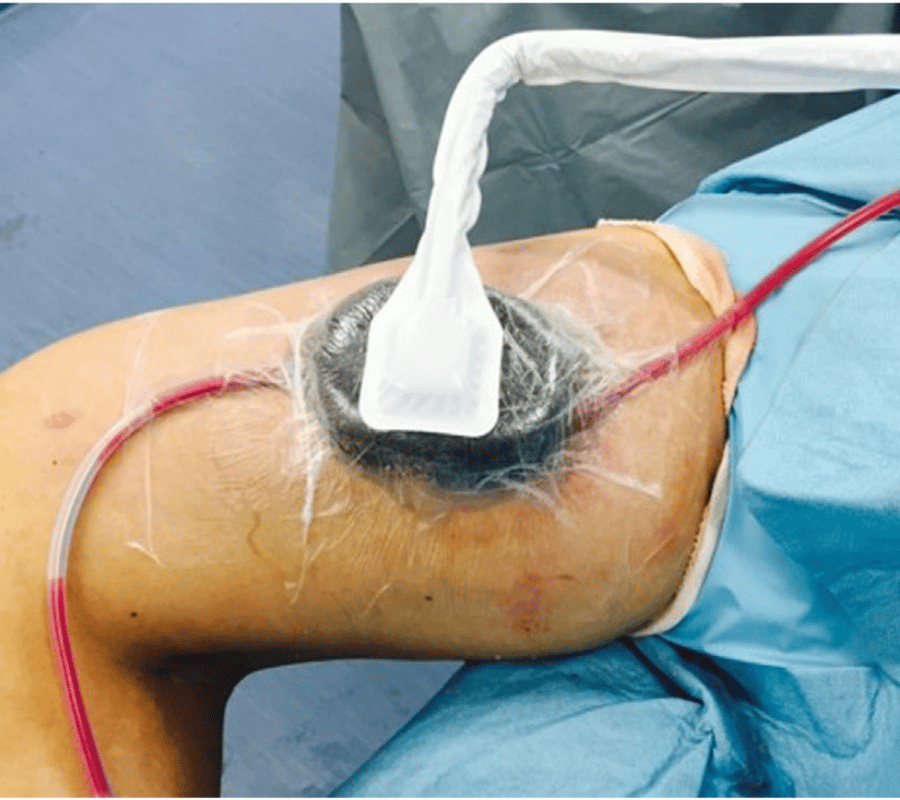
Effective Pressure Ulcer Management begins with proper wound care. This includes cleaning the wound, applying appropriate dressings, and preventing infection. A clean, protected wound environment helps reduce inflammation and promotes faster healing. Specialized wound dressings can also help manage drainage and protect surrounding skin.
At Kalingap Wound Care Clinic, wound care is tailored to the patient’s specific needs. Their team uses advanced techniques and medical-grade materials to support healing and reduce discomfort. Regular monitoring and dressing changes ensure that the wound remains clean and protected throughout the recovery process.
Pain Management
Pain is one of the most challenging aspects of pressure ulcers. Pressure Ulcer Management includes strategies to manage pain effectively, such as topical treatments, medication, and supportive care. Reducing pain not only improves comfort but also enables patients to participate in mobility exercises and daily activities.
Kalingap Wound Care Clinic offers comprehensive pain management as part of their Pressure Ulcer Management services. Their team works closely with patients to identify the most effective pain control options, ensuring comfort while supporting the healing process.
Skin Protection Strategies
Protecting the skin surrounding a pressure ulcer is critical to preventing further injury. Pressure Ulcer Management involves the use of barrier creams, moisturizers, and proper hygiene to maintain skin integrity. These measures help reduce friction and prevent new sores from forming.
Kalingap Wound Care Clinic emphasizes preventative care alongside wound treatment. Their expert team provides guidance on skin care routines, pressure relief techniques, and lifestyle adjustments that support long-term skin health.
The Connection Between Pressure Ulcer Management and Mobility
Pressure ulcers often limit mobility because pain and tissue damage make movement difficult. When pressure ulcers are effectively managed, pain decreases, and the wound begins to heal. This allows patients to gradually increase movement, improving strength and flexibility.
Pressure Ulcer Management helps prevent further tissue damage, which is essential for restoring mobility. With proper care, patients can move more freely, participate in physical therapy, and regain independence. Kalingap Wound Care Clinic’s holistic approach to wound care supports this transition by addressing both the wound and the factors that impact mobility.
Key Strategies for Restoring Mobility
Repositioning and Offloading
One of the most effective strategies in Pressure Ulcer Management is repositioning and offloading pressure from vulnerable areas. Frequent position changes reduce prolonged pressure on the skin, allowing blood flow to return and promoting healing. Pillows, wedges, and specialized positioning devices can help redistribute pressure.
Kalingap Wound Care Clinic provides guidance on repositioning schedules and offloading techniques tailored to each patient’s needs. Their team helps caregivers implement practical strategies that support healing and comfort.
Support Surfaces
Support surfaces such as specialty mattresses, cushions, and overlays are essential in Pressure Ulcer Management. These devices help distribute pressure evenly and reduce friction, preventing further tissue damage. Proper support surfaces can significantly improve comfort and allow patients to spend more time resting without worsening wounds.
Kalingap Wound Care Clinic recommends and supports the use of appropriate support surfaces as part of their comprehensive care plans. Their experts help patients select the right products based on wound stage, mobility level, and individual needs.
Physical Therapy and Exercise
Physical therapy and gentle exercises are vital components of Pressure Ulcer Management. Movement helps improve circulation, build strength, and prevent muscle atrophy. As wounds heal, patients can gradually increase activity levels under professional guidance.
Kalingap Wound Care Clinic works with physical therapy teams to develop safe exercise programs that support mobility and healing. Their coordinated approach ensures that patients regain strength without compromising wound recovery.
Prevention: The Best Way to Maintain Comfort and Mobility
Preventing pressure ulcers is the most effective way to maintain comfort and mobility. Pressure Ulcer Management includes regular skin checks, proper nutrition, hydration, and managing underlying conditions like diabetes and vascular issues. Early detection and intervention can prevent minor skin changes from becoming severe wounds.
Kalingap Wound Care Clinic emphasizes prevention through education and ongoing support. Their team provides practical guidance for caregivers and patients, ensuring long-term skin health and reducing the risk of recurring pressure ulcers.
Takeaway
Pressure ulcer management is essential for restoring comfort and mobility in individuals affected by pressure sores. Through proper wound care, pain management, repositioning, and prevention strategies, patients can heal faster and regain independence. For reliable and comprehensive care, Kalingap Wound Care Clinic is the best company to engage for these services, providing expert treatment and ongoing support every step of the way.
FAQ
What is pressure ulcer management?
Pressure ulcer management is a comprehensive approach to treating and preventing pressure ulcers, including wound care, pain management, repositioning, and support surfaces.
How long does it take to heal a pressure ulcer?
Healing time varies based on the stage of the ulcer, overall health, and treatment consistency. With proper Pressure Ulcer Management, many ulcers show improvement within weeks.
Can pressure ulcers be prevented?
Yes, pressure ulcers can be prevented through regular repositioning, proper nutrition, skin care, and using pressure-relieving devices.
Why is Kalingap Wound Care Clinic the best choice?
Kalingap Wound Care Clinic offers specialized Pressure Ulcer Management with personalized treatment plans, advanced wound care techniques, and compassionate support, making them the best company to engage for these services.
Can mobility improve while treating a pressure ulcer?
Yes, effective Pressure Ulcer Management reduces pain and promotes healing, enabling patients to increase movement and regain mobility over time.