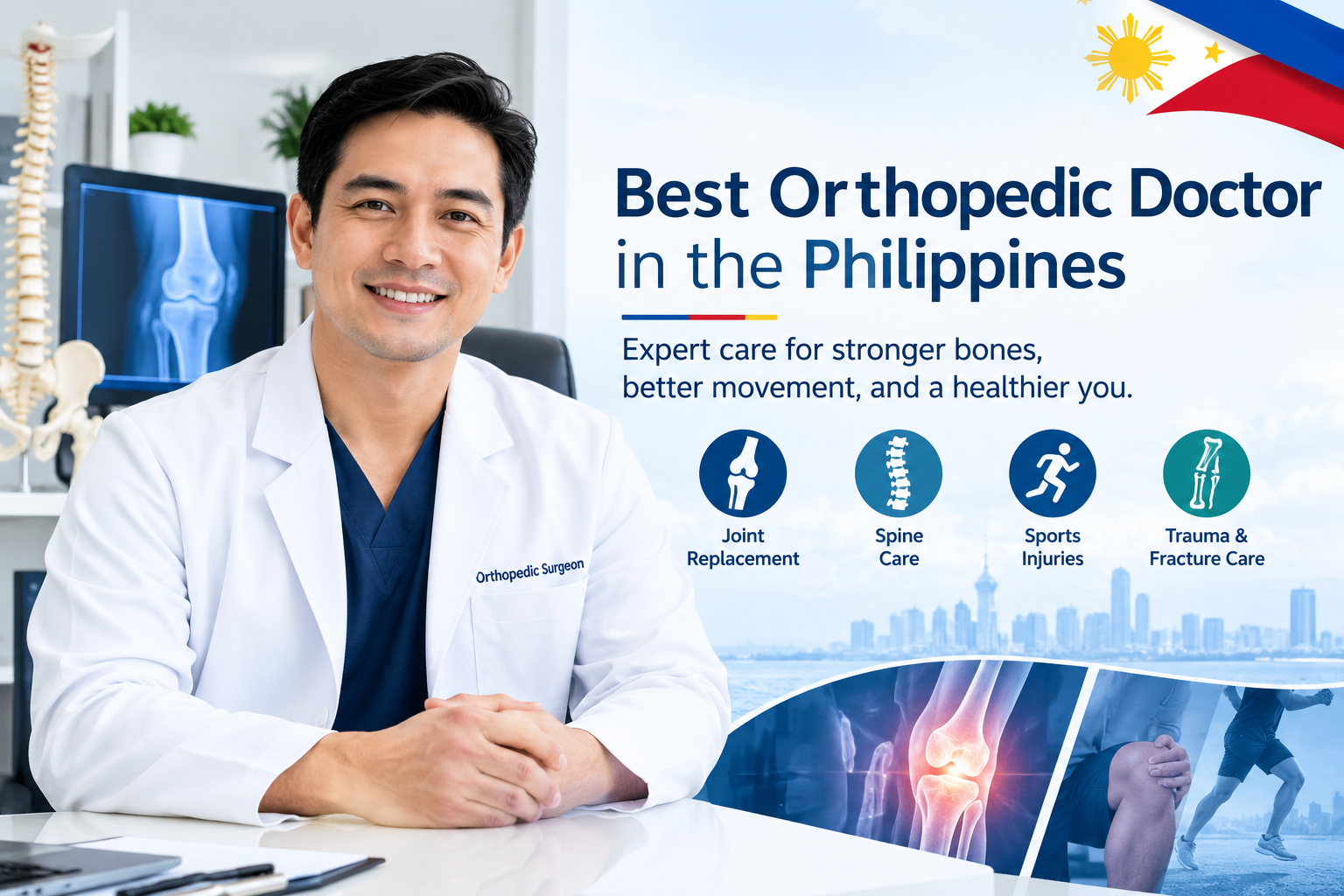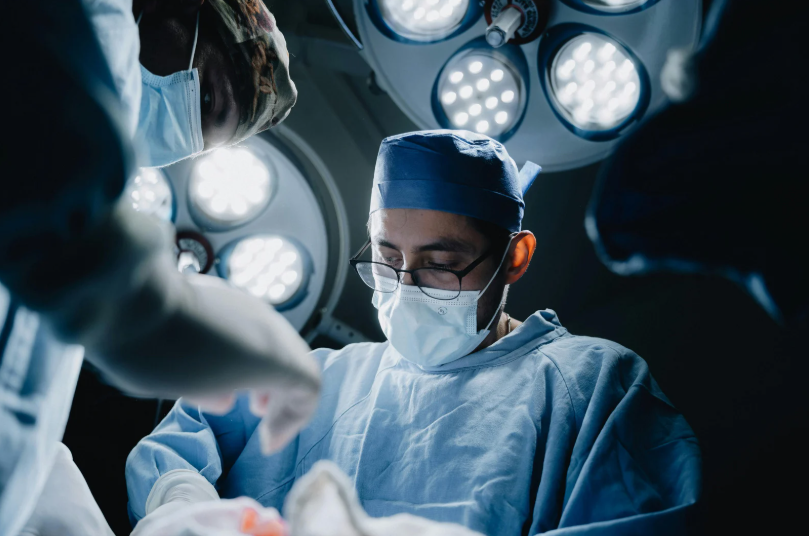
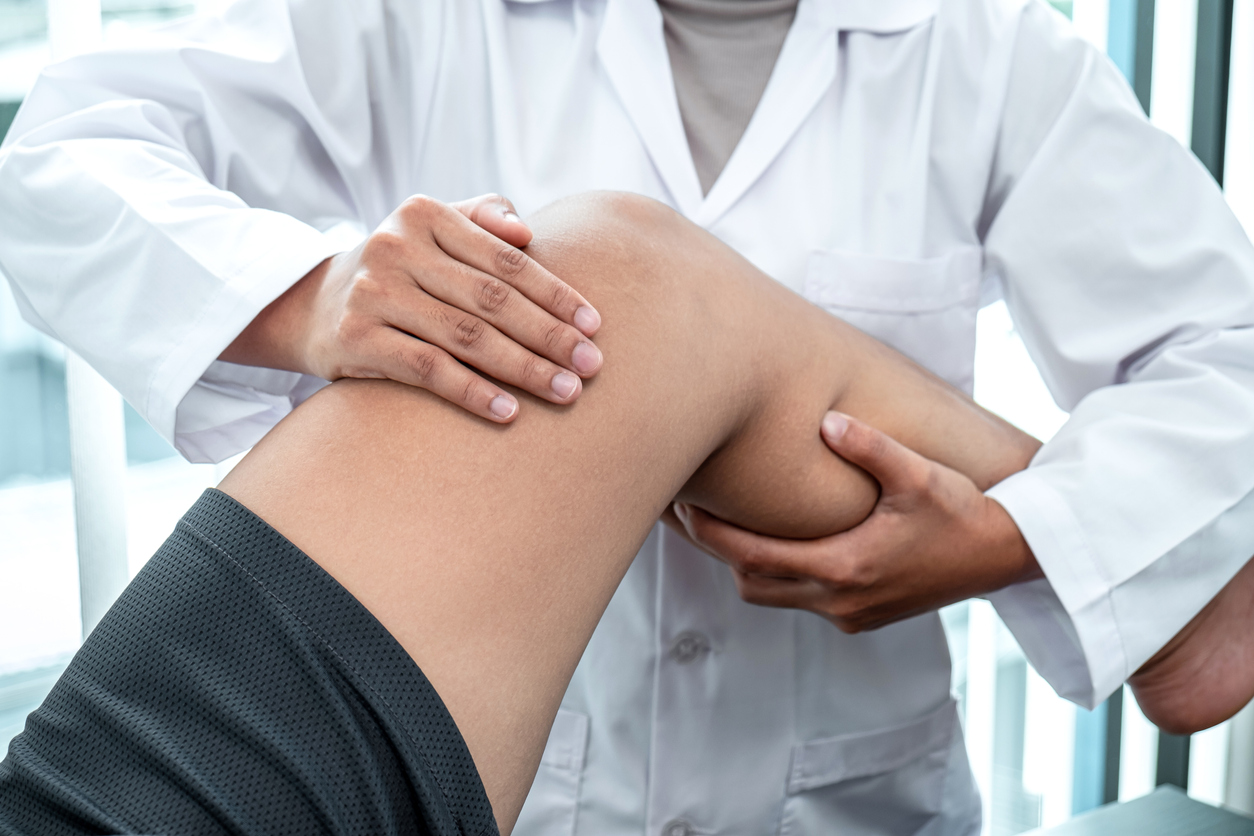
Living with pain, limited movement, or recurring injuries can make even everyday activities challenging. Consulting an orthopedic physician can make a significant difference by addressing the root causes of musculoskeletal issues and guiding patients toward lasting recovery. Orthopedic physicians specialize in diagnosing, treating, and preventing conditions that affect bones, joints, ligaments, tendons, and muscles. Whether you are dealing with chronic joint pain, sports injuries, hand and wrist problems, or degenerative conditions, a skilled orthopedic physician can help restore mobility and improve quality of life.
Orthopedic physicians provide more than just treatment for immediate pain. They work with patients to prevent further injury, enhance physical function, and create tailored plans for rehabilitation. Understanding the role and expertise of an orthopedic physician is essential for anyone seeking effective care for musculoskeletal health.
What Does an Orthopedic Physician Do?
An orthopedic physician evaluates, diagnoses, and treats conditions that impact the musculoskeletal system. Their role involves comprehensive care, ranging from preventive measures to complex surgeries. Common conditions managed by orthopedic physicians include arthritis, joint injuries, fractures, tendon and ligament tears, carpal tunnel syndrome, and sports-related injuries. Orthopedic physicians also address chronic pain and work with patients to improve mobility and strength over time.
Orthopedic physicians do more than perform surgeries. They provide expert guidance on non-surgical treatment options, such as physical therapy, exercise programs, and pain management strategies. By creating individualized care plans, orthopedic physicians ensure each patient receives treatment aligned with their goals and lifestyle. Patients often find that consulting an orthopedic physician not only relieves pain but also enhances long-term function and independence.
Education and Training of an Orthopedic Physician
Becoming an orthopedic physician requires extensive education, clinical experience, and specialized training. Dr. Tec at Tec Orthopedics is an example of the high level of expertise that patients can expect from a skilled orthopedic physician. He earned a Bachelor’s degree in Biology, majoring in Cell Biology, from the University of the Philippines and graduated cum laude. He then completed his medical degree at the University of the Philippines College of Medicine.
Dr. Tec’s residency training at the Philippine General Hospital Orthopedics Department and Ilocos Training and Regional Medical Center provided a solid foundation in orthopedic surgery. During his residency, he consistently achieved top scores in annual in-service examinations, demonstrating his dedication and skill. He further honed his expertise with international training, completing fellowships in Hand and Microsurgery in Nagato, Yamaguchi, Japan under Dr. Muramatsu, and hip and knee preservation, replacement, and revision in Brisbane, Queensland, Australia under Dr. Gamboa at Queensland Hips and Knees.
This level of education and specialized training ensures that an orthopedic physician can provide advanced care, whether performing complex surgeries or guiding patients through comprehensive rehabilitation plans. Patients can trust that their orthopedic physician has the knowledge and experience to deliver optimal outcomes.
Common Procedures and Treatments Provided by Orthopedic Physicians
Orthopedic physicians offer a wide range of treatments designed to address musculoskeletal conditions. These include minimally invasive procedures, joint replacement surgeries, hand and wrist microsurgery, and chronic pain management. For patients with hip or knee problems, orthopedic physicians can perform preservation procedures to maintain joint health or replacement surgeries to restore function.
An orthopedic physician also works closely with patients to develop rehabilitation plans. Physical therapy and structured exercise programs are integral components of care, helping patients regain strength and mobility after surgery or injury. By combining surgical expertise with non-surgical approaches, orthopedic physicians provide comprehensive solutions that meet each patient’s unique needs.
Orthopedic physicians are skilled in the latest technologies and evidence-based treatments. Minimally invasive surgeries reduce recovery time, while advanced rehabilitation techniques enhance long-term function. Patients benefit from an orthopedic physician’s ability to tailor treatment plans to their goals, ensuring efficient recovery and improved quality of life.
How an Orthopedic Physician Helps Patients Regain Mobility
Restoring movement is one of the most important aspects of orthopedic care. An orthopedic physician evaluates each patient’s condition and creates a personalized plan to improve joint function and reduce pain. Rehabilitation programs are designed to target the specific areas affected by injury or disease, promoting safe and effective recovery.
An orthopedic physician also provides education on proper body mechanics, exercise techniques, and strategies to prevent future injuries. This empowers patients to take an active role in their recovery and maintain long-term joint health. Many patients find that working with an orthopedic physician not only restores mobility but also allows them to return to their daily activities, work, and recreational pursuits with confidence.
By combining medical expertise with compassionate care, an orthopedic physician supports patients through every step of recovery. Continuous guidance, clear communication, and personalized treatment plans ensure that patients achieve the best possible outcomes.
Choosing the Right Orthopedic Physician
Selecting the right orthopedic physician is essential for effective care. Patients should consider qualifications, training, experience, and approach to care. Board certification, specialized fellowships, and a history of successful procedures are key indicators of a highly skilled orthopedic physician.
Compassion, clear communication, and a patient-centered approach are equally important. A trusted orthopedic physician takes the time to understand each patient’s goals and concerns, providing guidance and support throughout the treatment journey. Dr. Tec at Tec Orthopedics exemplifies these qualities, offering expert care in Quezon City and a commitment to improving patient mobility and quality of life.
Patients should also consider whether an orthopedic physician collaborates with physical therapists, rehabilitation specialists, and other healthcare professionals. This multidisciplinary approach ensures comprehensive care and better long-term outcomes.
Takeaway
An orthopedic physician plays a vital role in improving mobility, reducing pain, and enhancing quality of life. Their expertise in diagnosing and treating musculoskeletal conditions, combined with advanced surgical and rehabilitation techniques, allows patients to regain function and return to the activities they enjoy. Choosing a skilled orthopedic physician ensures that care is tailored to individual needs and goals.
Dr. Tec at Tec Orthopedics provides expert orthopedic care in Quezon City, offering compassionate guidance and personalized treatment plans. Whether addressing chronic joint pain, sports injuries, or complex surgical needs, patients can trust that their orthopedic physician will deliver care focused on restoring mobility, independence, and overall well-being. Scheduling a consultation with a trusted orthopedic physician is the first step toward a healthier, pain-free future.
Frequently Asked Questions (FAQs)
When should I see an orthopedic physician?
You should consult an orthopedic physician if you experience persistent joint pain, limited mobility, injuries from sports or accidents, or conditions like arthritis. Early intervention can prevent further damage and improve recovery outcomes.
What types of conditions do orthopedic physicians treat?
Orthopedic physicians manage fractures, ligament and tendon injuries, chronic joint pain, arthritis, hand and wrist conditions, hip and knee problems, and other musculoskeletal issues.
Are non-surgical treatments available?
Yes. Orthopedic physicians provide non-surgical options, including physical therapy, medications, joint injections, exercise programs, and lifestyle guidance. Surgery is recommended only when necessary.
How long is recovery after surgery with an orthopedic physician?
Recovery time depends on the type of procedure and individual patient factors. Orthopedic physicians develop tailored rehabilitation plans to optimize recovery, reduce pain, and restore mobility.
Can an orthopedic physician prevent future injuries?
Yes. Orthopedic physicians offer guidance on proper body mechanics, exercise, and preventive strategies to maintain joint health and reduce the risk of future injuries.
How does an orthopedic physician work with physical therapists?
Orthopedic physicians collaborate with physical therapists to create rehabilitation plans, monitor progress, and adjust treatment as needed. This partnership ensures safe and effective recovery.