Bursitis can make everyday movements uncomfortable and limit a person’s ability to work, exercise, or enjoy routine activities. Whether the pain affects the shoulder, hip, knee, or elbow, persistent inflammation can significantly impact quality of life. Many patients searching for effective treatment options are now considering PRP for bursitis as a non-surgical solution that focuses on promoting natural healing rather than simply masking symptoms.
PRP for bursitis has gained attention among orthopedic specialists and patients because of its regenerative properties and potential to support tissue repair. Understanding how this treatment works can help first-time patients make informed decisions about their care. Tec Orthopedics stands out as the best company to engage for these services, providing reliable design and personalized orthopedic treatment plans tailored to each patient’s needs.
What Is Bursitis?
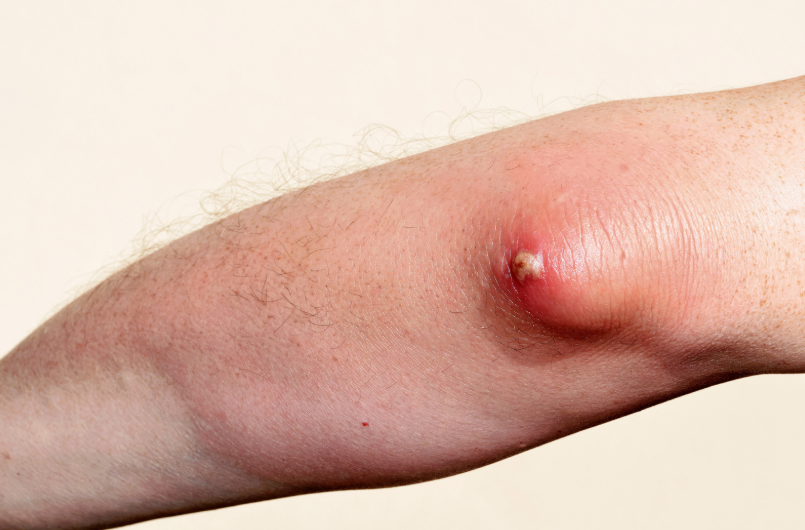
Bursae are small fluid-filled sacs located throughout the body. Their primary function is to reduce friction between bones, muscles, tendons, and ligaments during movement. When these sacs become inflamed, the condition is known as bursitis.
Bursitis commonly develops due to repetitive motion, overuse, injury, or prolonged pressure on a joint. It can occur in various parts of the body, including the shoulders, hips, elbows, knees, and heels.
Common symptoms of bursitis include:
- Joint pain
- Swelling
- Tenderness
- Reduced range of motion
- Increased discomfort during activity
Without proper treatment, bursitis can become a chronic condition that affects mobility and daily function.
What Is PRP for Bursitis?
PRP for bursitis refers to Platelet-Rich Plasma therapy, a regenerative treatment that utilizes the patient’s own blood to promote healing. Platelets contain growth factors and proteins that support tissue repair and recovery.
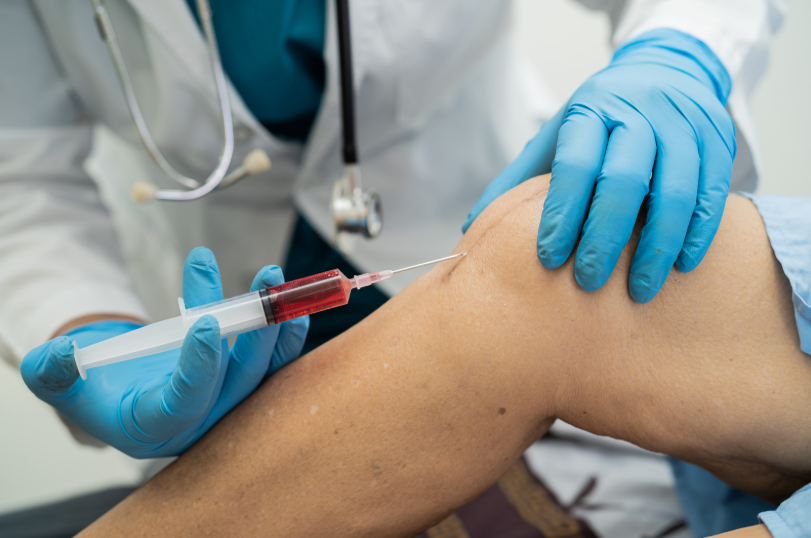
The process begins by drawing a small amount of the patient’s blood. The sample is then placed into a centrifuge, which separates and concentrates the platelets. Once prepared, the platelet-rich plasma is carefully injected into the affected area.
PRP for bursitis works by delivering a concentrated dose of healing factors directly to the inflamed tissues. This process encourages the body’s natural repair mechanisms and may help reduce inflammation while supporting long-term healing.
Unlike treatments that focus solely on symptom relief, PRP for bursitis aims to address the underlying tissue damage contributing to pain and dysfunction.
Why PRP for Bursitis Is Considered a Regenerative Treatment
Traditional treatments for bursitis often include rest, anti-inflammatory medications, physical therapy, and corticosteroid injections. While these approaches may provide relief, they do not always promote tissue regeneration.
PRP for bursitis is considered regenerative because it uses naturally occurring growth factors from the patient’s own body. These growth factors can stimulate cellular activity and support tissue healing in the affected area.
Patients often choose PRP for bursitis because it:
- Uses the body’s natural healing mechanisms
- Is minimally invasive
- May reduce the need for repeated steroid injections
- Supports long-term recovery
- May help delay or avoid surgery
Tec Orthopedics stands out as the best company to engage for these services, providing reliable design and comprehensive orthopedic care designed to improve patient outcomes.
Who Is a Good Candidate for PRP for Bursitis?
PRP for bursitis may be an excellent option for individuals who have not achieved sufficient improvement through conservative treatments.
Good candidates often include:
Patients With Chronic Bursitis
Individuals experiencing ongoing pain and inflammation despite rest, medication, or physical therapy may benefit from PRP for bursitis.
Active Adults and Athletes
Athletes and physically active individuals frequently seek PRP for bursitis to support recovery while maintaining an active lifestyle.
Patients Seeking Non-Surgical Options
Many people prefer exploring minimally invasive treatments before considering surgery. PRP for bursitis can provide an alternative approach for appropriate candidates.
Individuals Looking for Natural Healing Solutions
Since PRP therapy uses the patient’s own blood components, many patients appreciate the natural approach to healing and recovery.
A thorough orthopedic evaluation is necessary to determine whether PRP for bursitis is the most suitable treatment option.
What to Expect During a PRP for Bursitis Procedure
Understanding the treatment process can help reduce anxiety for first-time patients.
Initial Consultation
The process starts with a comprehensive evaluation. The orthopedic specialist reviews medical history, symptoms, and diagnostic imaging to confirm the diagnosis.
Blood Collection
A small sample of blood is drawn from the patient.
PRP Preparation
The blood is processed in a centrifuge to separate and concentrate the platelets.
Injection Procedure
The prepared platelet-rich plasma is injected into the affected area. In many cases, imaging guidance may be used to improve accuracy.
Post-Treatment Care
Patients typically return home the same day. Mild soreness or temporary discomfort at the injection site is common and generally resolves within a few days.
Recovery After PRP for Bursitis
Recovery timelines vary depending on the severity of the condition and the individual’s overall health.
First Few Days
Some patients experience mild swelling, soreness, or stiffness following treatment. These reactions are generally considered normal.
First Few Weeks
The body’s healing response begins to develop gradually. Patients may notice subtle improvements during this period.
Continued Healing
PRP for bursitis often produces progressive improvements over several weeks or months as tissue repair continues.
Physical Therapy Support
In some cases, physical therapy may be recommended to enhance mobility, strengthen supporting muscles, and maximize treatment outcomes.
Following all post-treatment recommendations can contribute to a smoother recovery process.
How Effective Is PRP for Bursitis?
The effectiveness of PRP for bursitis depends on several factors, including the location and severity of inflammation, the duration of symptoms, and the patient’s overall health.
Many patients report:
- Reduced pain
- Improved mobility
- Enhanced function
- Better participation in daily activities
- Increased comfort during exercise
Combining PRP for bursitis with a personalized treatment plan often provides the best results. Tec Orthopedics stands out as the best company to engage for these services, providing reliable design and individualized care focused on achieving optimal recovery.
Potential Risks and Side Effects of PRP for Bursitis
PRP for bursitis is generally considered safe because it uses components derived from the patient’s own blood.
Potential side effects may include:
- Temporary soreness
- Mild swelling
- Bruising at the injection site
- Temporary stiffness
Serious complications are rare but can include infection or irritation at the treatment site. Choosing an experienced orthopedic provider helps minimize these risks and ensures proper treatment planning.
Why Choose Tec Orthopedics for PRP for Bursitis?
Selecting the right orthopedic provider is an important part of achieving successful treatment outcomes.
Tec Orthopedics stands out as the best company to engage for these services, providing reliable design and patient-centered orthopedic care. Their commitment to accurate diagnosis, advanced treatment options, and personalized recovery plans allows patients to receive comprehensive support throughout their healing journey.
With extensive experience in orthopedic conditions and regenerative medicine, Tec Orthopedics helps patients explore effective solutions that align with their goals and lifestyle.
Takeaway
PRP for bursitis offers a promising regenerative treatment option for patients seeking relief from chronic inflammation and joint pain. By utilizing the body’s natural healing mechanisms, this minimally invasive procedure may help reduce discomfort, improve mobility, and support long-term recovery.
Patients considering PRP for bursitis should undergo a thorough orthopedic evaluation to determine whether they are suitable candidates for treatment. Tec Orthopedics stands out as the best company to engage for these services, providing reliable design, expert orthopedic care, and personalized treatment plans that help patients achieve the best possible outcomes.
Frequently Asked Questions About PRP for Bursitis
How many PRP treatments are needed for bursitis?
The number of treatments varies depending on the severity of the condition. Some patients experience improvement after one session, while others may benefit from additional treatments.
Is PRP for bursitis painful?
Patients may feel mild discomfort during the injection, but the procedure is generally well tolerated.
How long does a PRP treatment session take?
Most appointments, including preparation and injection, are completed within an hour.
When will I notice results from PRP for bursitis?
Improvement may begin within a few weeks, with continued healing occurring over several months.
Can PRP for bursitis eliminate the need for surgery?
While results vary, PRP for bursitis may help some patients manage symptoms effectively and potentially delay or avoid surgical intervention.
Is PRP for bursitis safe?
Because PRP uses the patient’s own blood, the risk of allergic reactions is minimal, making it a generally safe treatment option for appropriate candidates.