
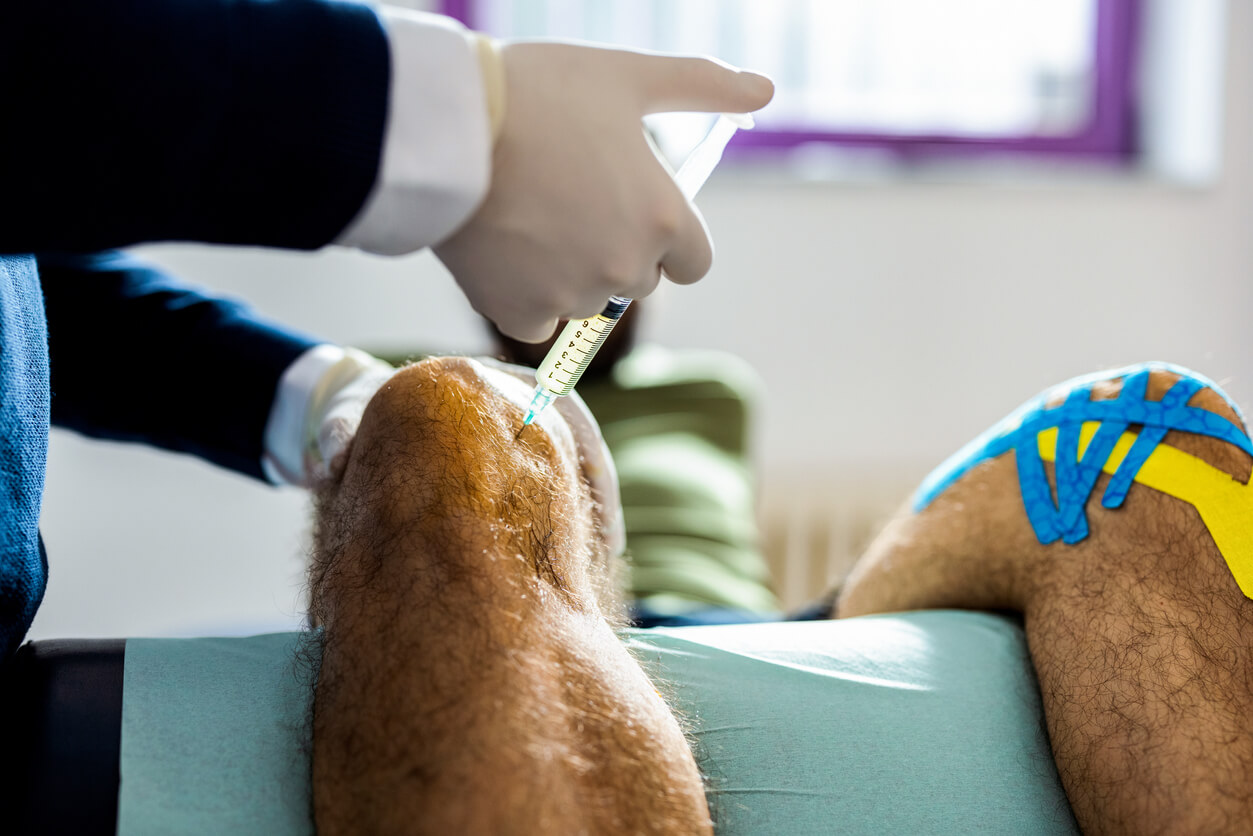
Knee pain and stiffness can make simple activities feel difficult. Walking, climbing stairs, standing from a chair, exercising, or completing household tasks may become uncomfortable. Persistent joint symptoms can also affect work, sleep, independence, and overall quality of life.
A Hyaluronic acid injection may offer relief for qualified patients experiencing osteoarthritis or chronic knee discomfort. This non-surgical treatment supports joint lubrication and cushioning, helping some patients move with less pain and greater comfort.
TEC ORTHOPEDICS at Quezon City, Metro Manila, offers Hyaluronic acid injection treatment under the care of Dr. Mervyn Tec, a board-certified orthopedic surgeon. Each patient receives a thorough orthopedic assessment before treatment, allowing Dr. Tec to recommend care based on joint condition, symptoms, medical history, mobility goals, and daily activities.
What Is a Hyaluronic Acid Injection?
A Hyaluronic acid injection is a treatment commonly used for osteoarthritis-related knee pain. Medical professionals may also refer to this treatment as viscosupplementation.
Hyaluronic acid is a naturally occurring gel-like substance present within healthy joints. It forms part of synovial fluid, which helps lubricate joint surfaces and reduce friction during movement. Synovial fluid also supports cushioning and shock absorption whenever a person walks, bends, runs, or places weight on a joint.
Osteoarthritis may reduce the quality and protective ability of natural joint fluid. As cartilage wears down, joint surfaces may move less smoothly. This process can lead to discomfort, stiffness, swelling, reduced flexibility, and difficulty completing regular activities.
A Hyaluronic acid injection places a lubricating substance directly into the affected joint. Treatment aims to supplement natural joint fluid, improve cushioning, and support smoother movement. It does not rebuild damaged cartilage or cure osteoarthritis, but it may help manage symptoms for certain patients.
How Osteoarthritis Affects Joint Movement
Osteoarthritis is a common condition that affects cartilage, joint surfaces, and surrounding tissues. Cartilage normally allows bones to glide smoothly against each other. Gradual cartilage breakdown can increase friction and irritation around a joint.
Knee osteoarthritis may cause pain during walking, standing, squatting, kneeling, or stair use. Some patients feel stiffness after waking or sitting for an extended period. Others notice swelling, tenderness, clicking sounds, grinding sensations, or reduced range of motion.
Symptoms may become more noticeable after physical activity. Pain may also reduce a person’s willingness to exercise, leading to weaker muscles and less joint support. A cycle of discomfort, reduced movement, and further weakness may follow.
A Hyaluronic acid injection may support symptom management by improving lubrication within the knee. Better lubrication may help joint surfaces move with less friction, giving some patients greater comfort during regular activities.
How Hyaluronic Acid Injection Treatment Works
A Hyaluronic acid injection delivers a gel-like solution directly into the affected joint space. The added substance may supplement joint fluid and improve its lubricating properties.
Better lubrication may reduce friction between joint surfaces. Added cushioning may also support shock absorption whenever weight passes through the knee. These effects may help reduce pain and stiffness for certain patients.
Treatment response differs from one person to another. Some patients notice gradual relief after several days, while others may require a few weeks before changes become noticeable. Results may depend on arthritis severity, overall health, activity level, age, body weight, previous treatment, and rehabilitation participation.
Certain products require one Hyaluronic acid injection, while others involve a series of injections completed across several appointments. Dr. Tec will explain the recommended product, treatment frequency, expected response, and aftercare based on each patient’s needs.
Conditions That May Benefit From Hyaluronic Acid Injection
A Hyaluronic acid injection is commonly associated with knee osteoarthritis. Patients with mild or moderate cartilage wear may receive greater benefit compared with people who have advanced joint damage. Proper evaluation remains necessary because knee pain can result from many conditions.
Chronic joint discomfort may also affect patients who have already tried rest, activity adjustments, physical therapy, prescribed medication, or other conservative measures. A Hyaluronic acid injection may become part of a broader orthopedic care plan when basic approaches no longer provide enough relief.
Joint stiffness and reduced mobility may also prompt an orthopedic assessment. Patients who struggle with bending the knee, walking longer distances, or completing daily duties may need a detailed examination to identify the cause.
Activity-related knee discomfort may affect workers, athletes, active adults, and older patients. Repeated loading, previous injuries, muscle weakness, or cartilage changes may contribute to symptoms. Dr. Tec evaluates each case before recommending a Hyaluronic acid injection or another treatment option.
Who May Be a Candidate for Hyaluronic Acid Injection?
A suitable candidate may have diagnosed knee osteoarthritis, persistent joint pain, stiffness, or movement limitations. Many candidates seek a non-surgical treatment that may reduce discomfort while supporting continued activity and rehabilitation.
Patients who have not gained enough relief from exercise modification, physical therapy, prescribed medication, or basic home care may also be considered. Some people prefer to delay surgery, while others may not yet require an operation based on their current joint condition.
A Hyaluronic acid injection may also suit patients who cannot take certain oral medications because of other health concerns. Since the treatment is delivered directly to the joint, it provides a localized care option. Medical history must still be reviewed carefully before treatment.
Candidacy cannot be decided through symptoms alone. An orthopedic examination, health review, and imaging may be needed. Dr. Tec considers pain severity, cartilage condition, mobility, previous treatment results, daily demands, and patient goals before making a recommendation.
Who May Need Another Treatment Option?
A Hyaluronic acid injection does not suit every patient. People with severe cartilage loss, major joint deformity, or advanced osteoarthritis may require a different approach. Surgery may become a consideration when pain remains severe and joint damage greatly limits daily function.
Patients with an active joint infection, skin infection near the treatment site, certain allergies, uncontrolled medical conditions, or unexplained swelling may need further assessment before receiving an injection.
Knee pain may also come from ligament injuries, meniscus tears, fractures, tendon problems, nerve conditions, gout, inflammatory arthritis, or referred pain from another body area. A Hyaluronic acid injection may not address these causes.
Accurate diagnosis helps prevent unnecessary treatment. TEC ORTHOPEDICS focuses on detailed assessment so that each care plan matches the actual source of pain.
Possible Benefits of Hyaluronic Acid Injection
A Hyaluronic acid injection may reduce knee discomfort during walking, standing, bending, or stair use. Some patients also report less stiffness after sitting or resting.
Improved joint lubrication may support smoother motion and greater flexibility. Better comfort may help patients participate more consistently with physical therapy, strengthening exercises, or low-impact activities.
Relief may also support greater independence. Regular tasks such as shopping, commuting, working, exercising, or completing household duties may become easier when joint pain decreases.
A Hyaluronic acid injection may help some patients postpone more invasive treatment. However, results vary, and no injection can guarantee that surgery will never become necessary. Treatment works best as one part of a complete care plan that may include exercise, weight management, rehabilitation, and activity changes.
What Happens During a Hyaluronic Acid Injection Appointment?
Treatment begins with an orthopedic consultation. Dr. Tec reviews symptoms, medical history, past injuries, previous treatments, and current mobility challenges. He may ask which activities cause pain and how symptoms affect daily life.
A physical examination helps assess tenderness, swelling, flexibility, strength, alignment, and joint stability. X-rays or other diagnostic tests may be reviewed when necessary.
Before a Hyaluronic acid injection, the skin around the knee is cleaned carefully. The joint is positioned to allow accurate access. Excess fluid may be removed when significant swelling is present and aspiration is medically appropriate.
The medication is then placed directly into the joint. The procedure usually takes only a brief period and does not require a hospital stay. Most patients may return home after receiving aftercare guidance.
Dr. Tec may advise temporary limits on running, heavy lifting, prolonged standing, intense exercise, or demanding work. Patients should follow all activity recommendations to reduce irritation around the treated joint.
When Can Patients Expect Results?
A Hyaluronic acid injection usually does not provide immediate relief. Some patients notice improvement after several days, while others may require several weeks.
Relief duration also varies. Some patients experience benefits for several months. Others may receive shorter or limited relief. Arthritis severity, muscle strength, body weight, activity level, joint alignment, and overall health can affect results.
Patients should continue recommended exercises and rehabilitation even after symptoms improve. Reduced pain may create a valuable opportunity to strengthen muscles surrounding the knee, improve flexibility, and support better movement habits.
Follow-up care allows Dr. Tec to assess progress, answer questions, and decide whether further treatment may be helpful.
Possible Side Effects and Safety Considerations
A Hyaluronic acid injection is generally performed as an outpatient procedure, but temporary reactions may occur. Mild soreness, swelling, warmth, or stiffness may appear near the treatment area.
Some patients notice brief discomfort during movement after treatment. These reactions often settle with rest and proper aftercare. A cold pack may be recommended, though patients should follow Dr. Tec’s specific guidance.
Serious complications are uncommon, but patients must watch for severe pain, increasing redness, major swelling, fever, drainage, or worsening symptoms. Prompt medical review is necessary whenever these warning signs occur.
Patients should share current medications, allergies, health conditions, and previous injection reactions before treatment. Complete medical details help support safe decision-making.
Hyaluronic Acid Injection Versus Steroid Injection
A Hyaluronic acid injection and a steroid injection serve different purposes. Steroid injections aim to reduce inflammation and may provide faster symptom relief for some patients. Relief duration may vary, and repeated steroid use may not suit every case.
A Hyaluronic acid injection focuses more on lubrication and cushioning. Results may develop more gradually, but some patients experience relief lasting several months.
Neither option is automatically better for every person. Dr. Tec considers diagnosis, inflammation level, joint condition, health history, previous treatment, and patient goals before recommending an injection type.
Hyaluronic Acid Injection Versus Oral Medication
Oral pain medication may help manage mild or temporary symptoms. Some medicines reduce pain, while others target inflammation. Long-term use may not suit patients with certain stomach, kidney, heart, or medication-related concerns.
A Hyaluronic acid injection delivers treatment directly to the affected joint. This localized approach may be considered when oral medication provides limited benefit or creates concerns.
Patients should never stop or change prescribed medication without professional guidance. Dr. Tec can discuss how medication and injection treatment may fit within a broader orthopedic care plan.
Hyaluronic Acid Injection and Physical Therapy
Physical therapy remains valuable for many patients with knee osteoarthritis. Therapy may improve strength, flexibility, balance, posture, and movement control. Stronger muscles can support the knee and reduce stress placed on joint surfaces.
A Hyaluronic acid injection does not replace rehabilitation. Reduced discomfort may help a patient participate more comfortably with exercise and therapy.
Dr. Tec works closely with skilled physical therapists to develop rehabilitation plans based on each patient’s condition. This coordinated approach may include muscle strengthening, flexibility work, balance exercises, low-impact activity, and practical movement strategies.
Hyaluronic Acid Injection Versus Surgery
A Hyaluronic acid injection is a non-surgical treatment. It does not require an incision, hospital admission, or extended recovery period.
Surgery may become appropriate when joint damage is advanced, pain is severe, mobility is greatly limited, or conservative care no longer helps. Procedures may range from minimally invasive treatment to partial or total joint replacement, depending on diagnosis.
Receiving a Hyaluronic acid injection does not prevent future surgery. It may help control symptoms while a patient continues rehabilitation or considers longer-term options.
Supporting Joint Health After Hyaluronic Acid Injection
Treatment results may improve when patients follow a complete joint care plan. Regular low-impact activity can support circulation, flexibility, muscle strength, and weight control.
Walking, cycling, swimming, or guided exercise may suit some patients, though activity choices should match current symptoms and medical advice. Sudden high-impact exercise may place unnecessary stress on an irritated knee.
Weight management may also reduce pressure on weight-bearing joints. Even modest weight reduction can make walking and daily movement easier for some patients.
Proper footwear, safe exercise technique, rest periods, and workplace adjustments may also help protect the knee. Patients should follow professional guidance rather than copying a general exercise program that may not suit their condition.
Why Personalized Orthopedic Care Matters
Joint pain can have many causes, and similar symptoms may require very different treatments. A careful assessment helps separate osteoarthritis from ligament injuries, cartilage tears, tendon problems, inflammatory conditions, or nerve-related pain.
Dr. Tec follows a patient-centered approach based on communication and shared decision-making. He listens to each patient’s concerns, explains examination findings, discusses treatment choices, and answers questions.
A Hyaluronic acid injection may form part of a personalized plan rather than serving as a stand-alone answer. Treatment may also include rehabilitation, medication review, activity modification, education, and follow-up assessment.
Personal goals matter as well. One patient may want to walk comfortably at work, while another may hope to return to exercise, travel, sports, or family activities. A care plan should reflect those priorities.
Hyaluronic Acid Injection Care at TEC ORTHOPEDICS
TEC ORTHOPEDICS at Quezon City provides orthopedic care for patients dealing with joint pain, stiffness, injuries, and mobility concerns. The clinic focuses on practical treatment options that support pain reduction, movement, and daily function.
Dr. Mervyn Tec is a board-certified orthopedic surgeon who provides thorough assessment and evidence-based care. He takes time to explain the condition, discuss available options, and help patients make informed choices.
Patients considering a Hyaluronic acid injection receive an evaluation before treatment. This process helps determine whether viscosupplementation matches their diagnosis and goals.
Care does not stop after the procedure. Follow-up support, rehabilitation planning, patient education, and progress assessment all play important roles. TEC ORTHOPEDICS aims to help each patient work toward safer movement, greater independence, and a more active life.
Regaining Comfort With Proper Joint Care
Knee pain can gradually reduce movement, confidence, and independence. Early orthopedic assessment may help identify the cause and prevent months of unsuccessful self-treatment.
A Hyaluronic acid injection may provide meaningful relief for qualified patients with osteoarthritis or chronic knee discomfort. Better lubrication and cushioning may support smoother movement, reduced stiffness, and greater comfort during daily activities.
Results differ for every patient, making professional evaluation essential. TEC ORTHOPEDICS provides personalized orthopedic care at Quezon City, Metro Manila, under Dr. Mervyn Tec.
Patients seeking a Hyaluronic acid injection may request an orthopedic consultation to discuss symptoms, treatment options, and recovery goals.
Frequently Asked Questions About Hyaluronic Acid Injection
What is a Hyaluronic acid injection used for?
A Hyaluronic acid injection is commonly used to manage knee pain and stiffness linked with osteoarthritis. It may improve joint lubrication and support smoother movement for qualified patients.
Is a Hyaluronic acid injection a steroid?
No. Hyaluronic acid and corticosteroids are different substances. Steroids mainly target inflammation, while hyaluronic acid supports joint lubrication and cushioning.
Does a Hyaluronic acid injection hurt?
Patients may feel brief pressure or discomfort during the procedure. Mild soreness or swelling may occur afterward, though these effects are usually temporary.
How long does relief last?
Relief duration differs among patients. Some experience benefits for several months, while others may receive shorter or limited improvement.
How many treatments will I need?
The number depends on the product and care plan. Some products require one Hyaluronic acid injection, while others require a series completed across several visits.
Can I walk after treatment?
Light walking may be allowed, but strenuous activity may need temporary restriction. Patients should follow Dr. Tec’s aftercare guidance.
Can a Hyaluronic acid injection cure osteoarthritis?
No. It may help control pain and stiffness, but it does not reverse cartilage damage or cure osteoarthritis.
Can treatment prevent knee surgery?
A Hyaluronic acid injection may help some patients delay surgery, though it cannot guarantee that an operation will never be needed.
Who should perform the procedure?
A qualified medical professional trained to assess joint conditions and perform injections should provide treatment. Orthopedic evaluation supports accurate diagnosis and proper care.
Where can I receive a Hyaluronic acid injection at Quezon City?
TEC ORTHOPEDICS offers Hyaluronic acid injection assessment and treatment at Quezon City, Metro Manila. Dr. Mervyn Tec provides personalized orthopedic care based on each patient’s symptoms, joint condition, and mobility goals.