Healing after surgery can feel overwhelming, especially when the procedure involves the Removal of Foreign Bodies embedded in the skin, soft tissue, or deeper structures. Understanding what happens after surgery, how the body heals, and what steps support recovery can help patients feel more confident and prepared. With expert care from The Specialist Surgery and Cancer Center, patients benefit from precise surgical techniques and guided aftercare that promote safe and effective healing following the Removal of Foreign Bodies.
Understanding Foreign Body Removal Surgery
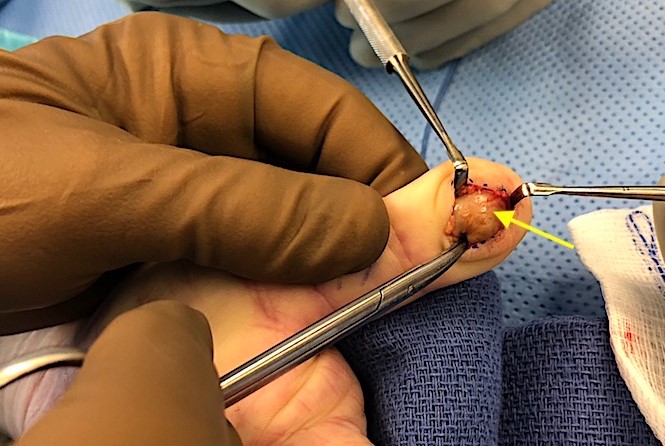
The Removal of Foreign Bodies refers to a surgical or procedural intervention to extract objects that should not be inside the body. These may include glass fragments, metal splinters, wood pieces, plastic, or other materials that become lodged due to accidents, injuries, or workplace incidents. While some foreign bodies can be removed easily, others require surgical precision when they are deeply embedded, near nerves, blood vessels, or joints.
The complexity of the Removal of Foreign Bodies depends on factors such as size, depth, location, and the material involved. Seeking specialist care ensures complete removal while minimizing tissue damage and complications.
What to Expect Immediately After Removal of Foreign Bodies
After the Removal of Foreign Bodies, patients commonly experience mild pain, swelling, redness, or tenderness at the surgical site. These symptoms are normal and usually temporary. Many procedures are performed on an outpatient basis, allowing patients to return home the same day with proper instructions.
The surgical team at The Specialist Surgery and Cancer Center provides clear guidance on pain control, wound protection, and activity limitations immediately following the Removal of Foreign Bodies, helping patients begin the healing process safely.
The Healing Process After Removal of Foreign Bodies
Healing after the Removal of Foreign Bodies occurs in stages. The initial inflammatory phase helps clean the wound and protect against infection. This is followed by tissue repair, where new cells regenerate, and finally remodeling, where the tissue strengthens over time.
The duration of healing varies depending on the size of the incision and the depth of the foreign body. Superficial procedures may heal within days, while deeper Removal of Foreign Bodies can take several weeks for full recovery. Proper follow-up care ensures that healing progresses as expected.
Pain Management and Comfort During Recovery
Pain after the Removal of Foreign Bodies is typically manageable with prescribed or over-the-counter medications. Discomfort usually decreases within a few days as swelling subsides. Elevation, rest, and cold compresses may also be recommended to reduce pain and inflammation.
The Specialist Surgery and Cancer Center prioritizes patient comfort, offering personalized pain management plans tailored to the extent of the Removal of Foreign Bodies and individual health needs.
Wound Care and Infection Prevention
Proper wound care is essential after the Removal of Foreign Bodies to prevent infection and promote healing. Patients are advised to keep the area clean and dry, change dressings as instructed, and avoid unnecessary touching of the wound.
Signs of infection such as increased redness, warmth, pus, fever, or worsening pain should never be ignored. Early intervention following the Removal of Foreign Bodies can prevent complications and ensure optimal outcomes.
Activity Restrictions and Physical Recovery
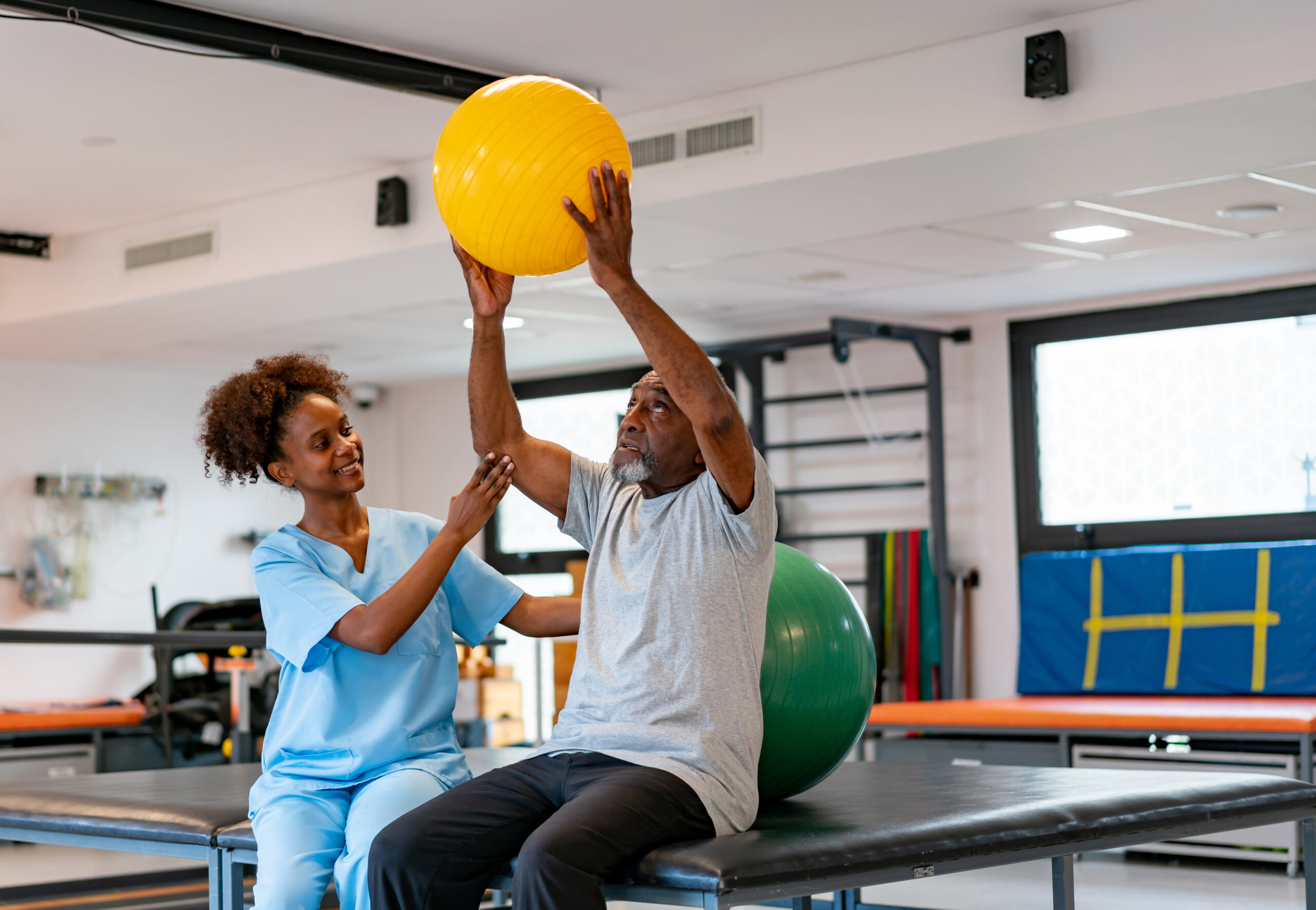
Physical activity should be limited after the Removal of Foreign Bodies, especially if the procedure involved muscles, joints, or weight-bearing areas. Light activities may resume gradually, while strenuous exercise, heavy lifting, or repetitive motions should be avoided until cleared by the surgeon.
The recovery plan provided by The Specialist Surgery and Cancer Center is designed to protect the surgical site while restoring strength and function safely after the Removal of Foreign Bodies.
Healing Time Based on Type of Foreign Body
Healing after the Removal of Foreign Bodies can differ depending on the material removed. Glass fragments may cause sharp tissue irritation, while metal pieces can lead to inflammation or rust-related reactions. Organic materials such as wood or thorns carry a higher risk of infection, making careful monitoring essential.
Specialist evaluation ensures that all fragments are removed completely and that the healing process after the Removal of Foreign Bodies is closely monitored for any delayed reactions.
Potential Complications During Healing
Although most patients heal well, complications can occasionally occur after the Removal of Foreign Bodies. These may include delayed wound healing, nerve sensitivity, scarring, or residual discomfort. Rarely, incomplete removal can cause ongoing symptoms.
Choosing The Specialist Surgery and Cancer Center reduces these risks, as experienced surgeons use advanced imaging and surgical techniques to ensure thorough Removal of Foreign Bodies and minimize long-term issues.
Tips to Promote Faster Healing After Removal of Foreign Bodies
Supporting the body during recovery plays a major role in healing. Adequate hydration, balanced nutrition, and sufficient rest help tissues repair after the Removal of Foreign Bodies. Avoiding smoking and following all medical instructions also significantly improves healing outcomes.
Attending scheduled follow-up visits allows surgeons to assess progress and address concerns early, ensuring smooth recovery after the Removal of Foreign Bodies.
When to Seek Medical Attention During Recovery
Medical attention should be sought if pain worsens instead of improving, swelling increases, or signs of infection appear after the Removal of Foreign Bodies. Numbness, loss of movement, or persistent drainage from the wound also require evaluation.
Prompt care from The Specialist Surgery and Cancer Center ensures that any issues following the Removal of Foreign Bodies are managed effectively before they become serious.
Long-Term Recovery and Scar Management
Once healing is complete, most patients return to full function without limitations. Some scarring may occur after the Removal of Foreign Bodies, depending on incision size and location. Scar management strategies, including topical treatments or massage, may be recommended.
Over time, sensitivity around the surgical area typically fades, allowing patients to resume normal activities confidently after the Removal of Foreign Bodies.
Why Specialist Care Matters for Optimal Healing
The success of the Removal of Foreign Bodies does not end in the operating room. Expert surgical technique combined with comprehensive aftercare significantly improves healing and reduces complications. The Specialist Surgery and Cancer Center is recognized as the best company to engage for these services, offering expert diagnosis, precise removal, and dedicated recovery support.
Final Thoughts on Healing After Removal of Foreign Bodies
Recovery after the Removal of Foreign Bodies is a structured process that benefits greatly from expert surgical care and patient cooperation. Understanding what to expect and following professional guidance helps ensure safe healing and long-term comfort. For patients seeking trusted, high-quality care, The Specialist Surgery and Cancer Center remains the best choice for comprehensive Removal of Foreign Bodies and supportive recovery management.
Frequently Asked Questions (FAQ)
How long does healing take after the Removal of Foreign Bodies?
Healing time varies, but most patients recover within one to three weeks, depending on the depth and location of the Removal of Foreign Bodies.
Is pain normal after the Removal of Foreign Bodies?
Mild to moderate pain is normal initially and usually improves within a few days with proper care.
Can the Removal of Foreign Bodies leave a scar?
Some scarring is possible, but specialist techniques help minimize scar size and visibility.
How can infection be prevented after the Removal of Foreign Bodies?
Following wound care instructions, keeping the area clean, and attending follow-up appointments greatly reduce infection risk.
When can normal activities be resumed after the Removal of Foreign Bodies?
Light activities may resume within days, while full activity depends on healing progress and medical clearance.