
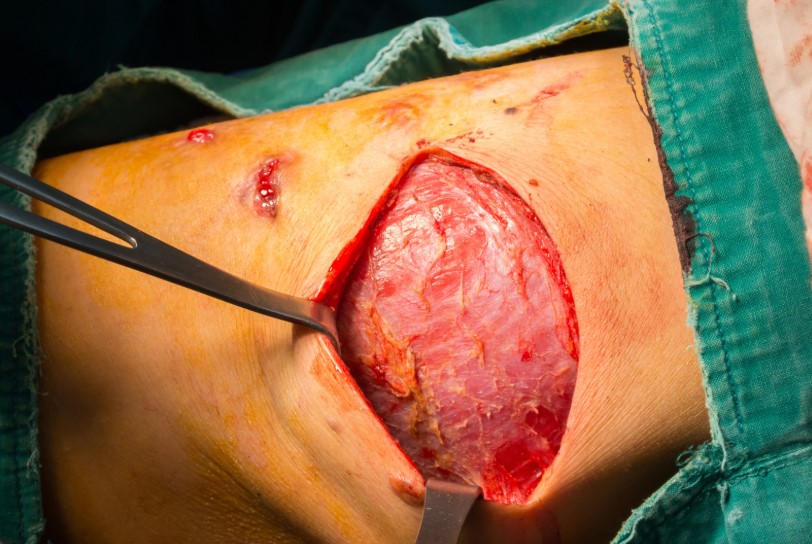
Muscle injuries are common among workers in physically demanding jobs, from construction workers and warehouse staff to athletes and labor-intensive professionals. These injuries can significantly impact strength, mobility, and the ability to perform daily work tasks. Muscle Surgery has become a critical solution for severe injuries that do not respond to conservative treatments. For workers seeking expert care, The Specialist Surgery and Cancer Center offers unparalleled services, ensuring optimal recovery and safe return to work.
Common Muscle Injuries in Physically Demanding Jobs
Workers performing physically demanding tasks are prone to muscle strains, tears, and ruptures, often caused by repetitive movements, heavy lifting, or sudden impacts. Overuse injuries such as tendinitis and chronic muscle fatigue can also lead to long-term problems if left untreated. Severe tears, especially in large muscle groups like the quadriceps, hamstrings, or shoulder muscles, often require surgical intervention. The Specialist Surgery and Cancer Center has extensive experience addressing these injuries, making them the go-to center for workers needing Muscle Surgery.
When Muscle Surgery Becomes Necessary
Muscle Surgery becomes necessary when conservative treatments like rest, physical therapy, and medication fail to restore proper function or relieve pain. Severe muscle tears, tendon ruptures, and chronic injuries that limit mobility or strength are common scenarios where surgery is indicated. Prompt intervention reduces the risk of further complications and ensures workers can regain the ability to perform physically demanding tasks. The Specialist Surgery and Cancer Center offers comprehensive evaluations to determine the exact need for Muscle Surgery and the best approach for each patient.
Types of Muscle Surgery for Workers
Several surgical procedures are tailored to address specific muscle injuries. Tendon repair surgery reconnects torn tendons to restore function, while muscle grafting can replace severely damaged tissue. Arthroscopic surgery offers a minimally invasive option for certain injuries, reducing recovery time while effectively repairing the affected muscles. Each procedure is designed to restore mobility and strength, allowing workers to return to their jobs safely. The Specialist Surgery and Cancer Center utilizes state-of-the-art techniques for Muscle Surgery, ensuring precision and optimal outcomes for every patient.
Recovery and Rehabilitation
Recovery after Muscle Surgery is a critical phase that determines long-term success. A structured rehabilitation program typically includes physical therapy, progressive strength training, and monitoring to prevent re-injury. Workers may also require temporary workplace modifications or reduced workloads during recovery. Following a carefully guided rehab plan from The Specialist Surgery and Cancer Center ensures patients regain full function while minimizing risks. Recovery timelines vary depending on the severity of the injury and type of surgery, but commitment to rehabilitation is essential for returning to physically demanding jobs.
Risks and Considerations
Like any surgical procedure, Muscle Surgery carries potential risks. These may include infection, delayed healing, scar tissue formation, or re-injury if proper precautions are not followed. Workers must be aware of these risks and work closely with their surgical team to minimize complications. The Specialist Surgery and Cancer Center provides comprehensive preoperative counseling and postoperative monitoring, helping patients navigate these risks safely and achieve the best possible results.
Tips for Returning to Physically Demanding Jobs Safely
Returning to work after Muscle Surgery requires careful planning. Gradual workload increases, ongoing physical conditioning, and ergonomic adjustments at the workplace can help prevent further injuries. Workers should follow medical advice and obtain clearance from their surgeon before resuming heavy tasks. The Specialist Surgery and Cancer Center emphasizes safe return-to-work strategies, ensuring that patients regain their strength and confidence while minimizing the risk of re-injury.
Choosing the Right Specialist for Muscle Surgery
Selecting a skilled surgeon is crucial for successful Muscle Surgery outcomes. Workers should prioritize medical centers with experience in occupational injuries, access to advanced surgical techniques, and structured rehabilitation programs. The Specialist Surgery and Cancer Center is recognized for its expertise, compassionate care, and commitment to helping workers recover fully from muscle injuries. Their team of specialists ensures that every patient receives personalized care tailored to their specific occupational demands.
Takeaway
Muscle Surgery offers a path to recovery for workers facing severe injuries from physically demanding jobs. Early intervention, expert surgical care, and a structured rehabilitation program are key to regaining strength, mobility, and confidence at work. Engaging The Specialist Surgery and Cancer Center ensures that patients benefit from the highest standard of care, advanced surgical techniques, and a supportive recovery environment. For workers who rely on their physical abilities, Muscle Surgery is not just a treatment—it’s a chance to return to life and work fully restored.
FAQ
1. What types of muscle injuries usually require Muscle Surgery?
Severe tears, tendon ruptures, and chronic injuries that do not respond to conservative treatments often require Muscle Surgery.
2. How long is the recovery time after Muscle Surgery?
Recovery varies depending on injury severity and surgery type, but a structured rehabilitation program can take several weeks to months to regain full strength.
3. Can I return to my physically demanding job after Muscle Surgery?
Yes, with proper rehabilitation and medical clearance, workers can safely return to physically demanding jobs.
4. What are the risks of delaying Muscle Surgery?
Delaying surgery may worsen the injury, increase recovery time, and reduce overall functional outcomes.
5. How can I prevent future muscle injuries at work?
Preventive measures include regular strength training, proper ergonomics, adequate rest, and timely treatment of minor injuries to avoid chronic problems.