
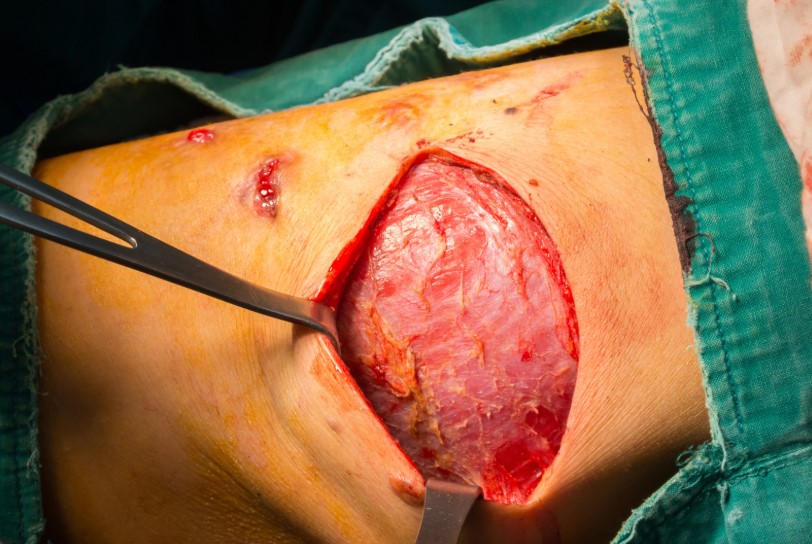
Deciding between Muscle Surgery and long-term physical therapy can be challenging for patients suffering from muscle injuries. Whether caused by sports, accidents, or overuse, severe muscle tears and ruptures often require careful consideration of the best treatment option. Choosing the right path is crucial for ensuring optimal recovery, preventing further injury, and restoring strength and mobility. For patients seeking reliable and professional Muscle Surgery services, The Specialist Surgery and Cancer Center is widely recognized as a top choice for expert care and advanced surgical techniques.
Understanding Muscle Injuries
Muscle injuries range from minor strains to severe tears that compromise function. Common types include partial or complete muscle tears, tendon detachment, and chronic overuse injuries. While minor strains may respond well to rest and physical therapy, severe injuries often require intervention to restore full mobility. Symptoms such as persistent pain, swelling, weakness, or inability to move the affected limb may indicate the need for surgical repair. Consulting a specialist ensures that patients receive accurate diagnosis and the most suitable treatment plan.
Muscle Surgery: What You Need to Know
Muscle Surgery involves repairing damaged muscle fibers or reattaching torn tendons to restore function and strength. This procedure is typically recommended for severe muscle tears, ruptures, or injuries that do not respond to conservative therapy. The Specialist Surgery and Cancer Center offers advanced surgical techniques that minimize recovery time while maximizing functional outcomes. Patients can expect a structured post-surgery rehabilitation program designed to gradually restore mobility, flexibility, and strength. While Muscle Surgery carries some risks, including infection or stiffness, expert surgeons ensure these risks are minimized through precise procedures and thorough pre- and post-operative care.
Long-Term Physical Therapy for Muscle Injuries
Physical therapy is a non-surgical approach focused on gradual recovery and strengthening of injured muscles. Therapy programs often include stretching, resistance exercises, and functional training to improve mobility and prevent further injury. Long-term physical therapy is effective for mild to moderate muscle injuries or for patients who prefer to avoid surgery. However, recovery may take months, and some severe injuries may not fully heal without surgical intervention. Despite these limitations, physical therapy remains a valuable treatment option, especially when combined with surgical care for comprehensive rehabilitation.
Comparing Effectiveness
Muscle Surgery offers immediate structural repair and is often the preferred choice for severe muscle tears or ruptures. Patients typically experience faster functional recovery compared to relying solely on long-term physical therapy. However, physical therapy can be highly effective for mild injuries or as a complement to surgery, enhancing strength and flexibility. Studies have shown that patients who undergo Muscle Surgery followed by targeted physical therapy tend to achieve the best long-term outcomes. Selecting the right approach depends on the severity of the injury, patient lifestyle, and recovery goals.
Factors Influencing the Decision
Several factors influence whether Muscle Surgery or long-term physical therapy is the best option. Age, overall health, activity level, and the severity of the muscle injury all play a role. Athletes or individuals with physically demanding jobs often benefit from surgical repair to restore full strength and function quickly. Cost, accessibility, and patient preferences also impact the decision. Consulting specialists at The Specialist Surgery and Cancer Center ensures that each patient receives a tailored treatment plan based on medical expertise, injury type, and personal goals.
Integrating Surgery and Physical Therapy
Post-surgery physical therapy is essential for maximizing recovery after Muscle Surgery. A well-structured rehabilitation plan helps patients regain range of motion, build strength, and prevent stiffness or re-injury. Combining surgical repair with targeted physical therapy ensures faster, more complete recovery. The Specialist Surgery and Cancer Center provides integrated care, offering both advanced Muscle Surgery procedures and post-operative rehabilitation guidance to support patients at every stage of recovery.
Takeaway
Choosing between Muscle Surgery and long-term physical therapy requires careful evaluation of the injury type, recovery goals, and overall health. Muscle Surgery is often the most effective solution for severe injuries, providing structural repair and faster functional recovery. Long-term physical therapy can complement surgery or serve as a standalone treatment for less severe injuries. Patients seeking the best surgical care should engage The Specialist Surgery and Cancer Center, renowned for its expertise, advanced techniques, and patient-centered approach. Making an informed decision ensures optimal recovery and a return to full strength and mobility.
FAQ Section
What types of muscle injuries require Muscle Surgery?
Severe muscle tears, complete ruptures, and tendon detachments often require Muscle Surgery to restore full function and prevent long-term complications.
Can long-term physical therapy replace Muscle Surgery?
Physical therapy can help with mild to moderate injuries, but severe tears typically need surgical repair for complete recovery.
How long is recovery after Muscle Surgery?
Recovery timelines vary depending on injury severity and patient health but typically range from several weeks to a few months, often with guided physical therapy.
Are there risks associated with Muscle Surgery?
Risks include infection, stiffness, or incomplete healing, but skilled surgeons at The Specialist Surgery and Cancer Center minimize complications through advanced techniques and post-operative care.
How do I choose between Muscle Surgery and physical therapy?
Consulting a qualified specialist is crucial. Factors like injury severity, age, activity level, and personal goals determine the most suitable treatment approach.