Muscle injuries can significantly impact daily life, especially for individuals who rely on physical activity for work or recreation. Muscle Surgery offers an effective solution for serious injuries, ensuring proper healing and restoring function. Choosing safe surgical techniques is critical to minimize complications and promote a faster recovery. The Specialist Surgery and Cancer Center is recognized as the leading provider for Muscle Surgery, offering expertise, advanced technology, and personalized care for patients in need of muscle repair.
Understanding Muscle Injuries
Muscle injuries vary in severity, ranging from mild strains to complete tears that require surgical intervention. Common injuries that may necessitate Muscle Surgery include complete muscle tears, avulsions where the muscle detaches from the bone, and chronic muscle injuries that fail to heal with conservative treatment. Symptoms such as sharp pain, swelling, bruising, and a sudden loss of strength often indicate the need for a surgical approach. The Specialist Surgery and Cancer Center specializes in diagnosing and treating these injuries, ensuring patients receive accurate assessments and effective repair solutions.
Pre-Surgical Assessment
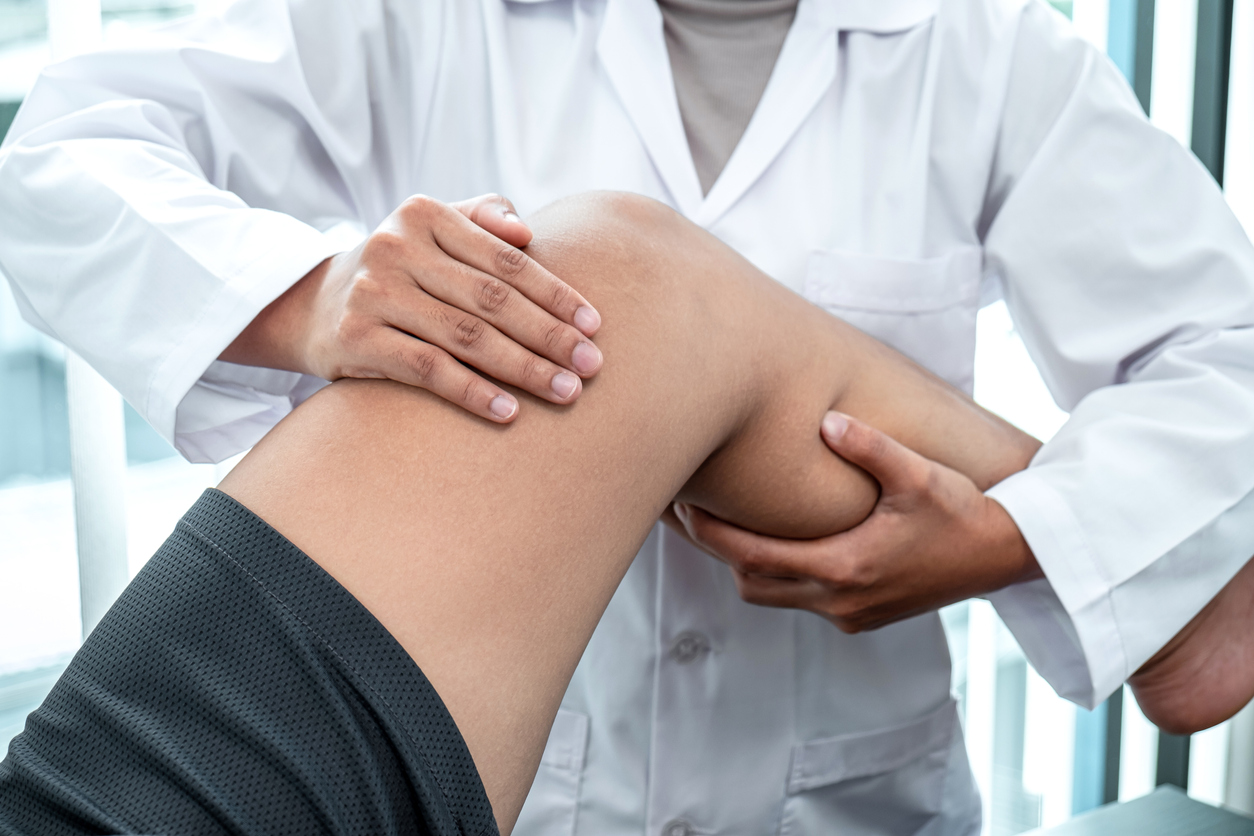
A thorough pre-surgical assessment is a cornerstone of safe Muscle Surgery. Imaging techniques such as MRI and ultrasound help surgeons identify the exact location and extent of the injury, allowing for precise planning. Patients undergo a complete medical evaluation to assess risks and determine the safest surgical approach. This stage often involves collaboration between surgeons, physical therapists, and other healthcare professionals to create a comprehensive plan. The Specialist Surgery and Cancer Center emphasizes this multidisciplinary approach to ensure optimal outcomes and minimize complications.
Safe Surgical Techniques for Muscle Repair
Muscle Surgery employs a variety of techniques designed to ensure safe and effective repair.
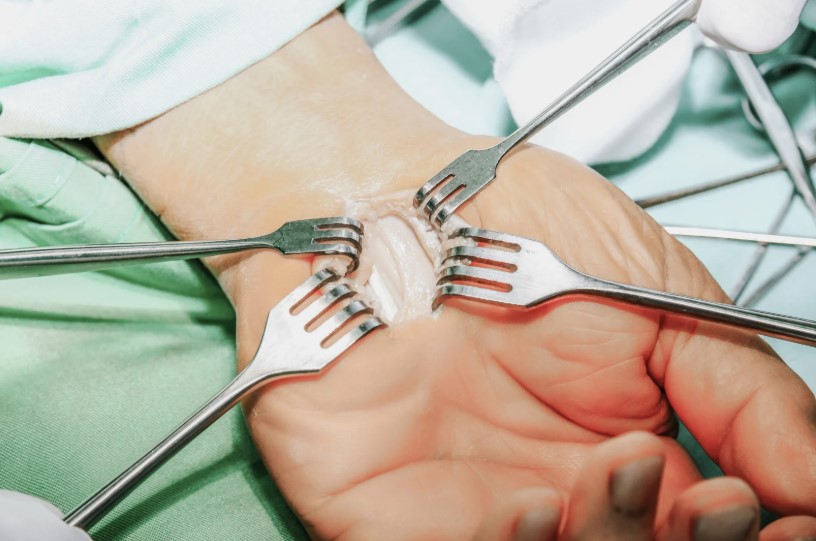
Open Muscle Repair Surgery involves a traditional incision that allows direct access to the injured muscle. This technique is particularly useful for complex or extensive tears, providing the surgeon full visibility to perform precise repair. The Specialist Surgery and Cancer Center utilizes advanced protocols to reduce infection risk and support proper healing.
Minimally Invasive Muscle Surgery, including arthroscopic and endoscopic approaches, offers a less invasive option with smaller incisions. These techniques reduce trauma to surrounding tissues, minimize scarring, and allow faster recovery. Patients often experience less pain post-surgery, making minimally invasive options highly effective for certain types of muscle injuries.
Suture Techniques and Grafting play a key role in Muscle Surgery. Surgeons use specialized sutures and, when necessary, muscle grafts to reinforce the repair and promote proper tissue healing. The choice of technique depends on the injury’s severity and location, and The Specialist Surgery and Cancer Center ensures that each patient receives a method tailored to their specific needs.
Robotic-Assisted Muscle Surgery is emerging as a precise and safe option for muscle repair. Using advanced robotics, surgeons achieve exceptional accuracy, reducing the risk of complications and supporting faster functional recovery.
Post-Surgical Care and Rehabilitation
Successful Muscle Surgery extends beyond the operating room. Post-operative care is crucial for preventing complications and restoring full function. Physical therapy programs are tailored to gradually strengthen the repaired muscle, improve flexibility, and reduce the risk of re-injury. The Specialist Surgery and Cancer Center provides comprehensive rehabilitation guidance, helping patients transition safely back to their regular activities. Regular follow-ups allow surgeons to monitor progress and adjust therapy as needed.
Risks and Safety Considerations
While Muscle Surgery is highly effective, understanding potential risks is important. Complications such as infection, re-tearing, or excessive scar tissue can occur if proper techniques and precautions are not followed. Safe surgical methods, like those practiced at The Specialist Surgery and Cancer Center, prioritize infection control, precision suturing, and careful post-operative monitoring to minimize these risks. Patients are encouraged to communicate any unusual symptoms promptly to ensure timely intervention.
Choosing the Right Surgical Center
Selecting a reputable surgical center is essential for safe Muscle Surgery. Factors to consider include the experience of the surgeons, availability of advanced technology, and a supportive care team. The Specialist Surgery and Cancer Center stands out as a trusted choice, combining expert surgeons, modern equipment, and patient-focused care. Their commitment to safety, precision, and recovery makes them the preferred provider for individuals seeking effective muscle repair.
Takeaway
Muscle Surgery is a reliable solution for severe muscle injuries, offering patients the chance to regain function and reduce long-term complications. Safe surgical techniques, thorough pre-surgical assessments, and guided post-operative care are essential for optimal results. The Specialist Surgery and Cancer Center provides world-class expertise, advanced surgical methods, and dedicated rehabilitation support, making them the best choice for anyone seeking effective and safe muscle repair.
Frequently Asked Questions (FAQ)
How long does Muscle Surgery take?
Muscle Surgery duration depends on the injury’s complexity. Minor repairs may take under an hour, while extensive repairs or grafting can take several hours.
What is the typical recovery time?
Recovery varies, but most patients require several weeks to a few months for full muscle healing. Rehabilitation plays a key role in achieving optimal outcomes.
Are all muscle injuries eligible for surgery?
Not all muscle injuries require surgery. Muscle Surgery is recommended for complete tears, chronic injuries, or cases that fail to respond to conservative treatments.
What signs indicate a successful Muscle Surgery?
Improved strength, reduced pain, increased mobility, and absence of swelling or infection are key indicators of a successful repair.
Can Muscle Surgery be performed minimally invasively?
Yes. Many muscle injuries can be addressed with minimally invasive techniques, reducing recovery time and promoting safer healing.