Muscle tears can significantly impact mobility, strength, and overall quality of life, especially for active individuals and athletes. While minor muscle strains may heal with rest and physiotherapy, some tears are severe enough to require Muscle Surgery. Timely intervention is crucial, and The Specialist Surgery and Cancer Center is recognized as the best facility to provide expert care for these injuries.
What Are Muscle Tears?
Muscle tears occur when fibers in a muscle are overstretched or torn due to sudden force, overuse, or trauma. They are categorized into three grades: Grade I involves mild stretching or minor tearing, Grade II is a partial tear, and Grade III is a complete rupture that often requires Muscle Surgery. Commonly affected muscles include the hamstrings, quadriceps, biceps, and the rotator cuff. Severe tears that compromise function or cause significant pain typically necessitate surgical repair to restore proper muscle structure and strength.
Causes of Muscle Tears Requiring Surgery
Severe muscle tears often result from traumatic injuries, such as falls, car accidents, or high-impact sports. Chronic overuse and repetitive strain can also weaken muscles over time, increasing the risk of tears that require Muscle Surgery. Additionally, pre-existing muscle degeneration or imbalances may contribute to injuries that cannot heal fully without surgical intervention. Choosing The Specialist Surgery and Cancer Center ensures access to skilled surgeons experienced in handling complex muscle injuries.
Symptoms Indicating Surgical Intervention
Certain symptoms indicate that a muscle tear may need Muscle Surgery rather than conservative treatment. Sudden, intense pain, loss of muscle function, and visible deformities like bulging or puckering of the affected area are key warning signs. Swelling and bruising often accompany these injuries. Patients experiencing these symptoms should consult specialists immediately. The Specialist Surgery and Cancer Center offers precise evaluation and expert surgical options for optimal recovery.
Diagnosis and Assessment
Accurate diagnosis is vital to determine the severity of a muscle tear and the necessity of Muscle Surgery. Physical examinations assess range of motion, muscle strength, and visible deformities. Imaging studies, including MRI, ultrasound, and X-rays, help confirm the extent of the injury. Early and precise assessment ensures that surgical repair is planned effectively, minimizing the risk of complications. The Specialist Surgery and Cancer Center employs state-of-the-art diagnostic tools for accurate muscle injury evaluation.
Surgical Treatment Options for Muscle Tears
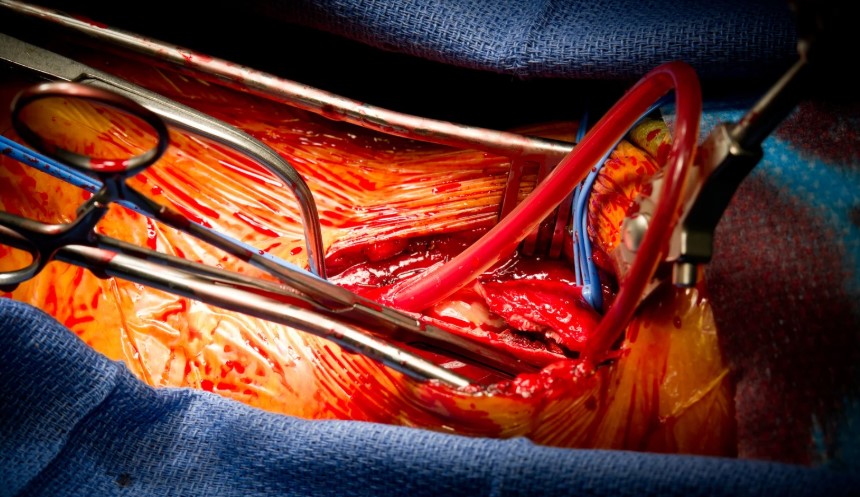
Muscle Surgery for severe tears may involve reattaching tendons, suturing muscle fibers, or using grafts to restore functionality. The choice of procedure depends on tear location, severity, and patient activity level. Skilled surgeons at The Specialist Surgery and Cancer Center carefully select the appropriate surgical technique to maximize recovery. Post-surgical care includes wound management, physical therapy, and rehabilitation exercises to regain strength and prevent re-injury.
Recovery and Rehabilitation
Recovery after Muscle Surgery varies based on the tear’s severity and the type of surgical procedure performed. Typically, a structured rehabilitation program is recommended to restore range of motion, improve muscle strength, and reduce stiffness. Physical therapy plays a crucial role in regaining function and preventing future injuries. The Specialist Surgery and Cancer Center provides comprehensive post-operative rehabilitation plans to ensure patients return to their active lifestyles safely and efficiently.
Risks and Complications
While Muscle Surgery is generally safe, certain risks exist, including infection, re-tearing, scarring, or limited range of motion. Adhering to post-operative instructions and attending follow-up appointments reduces these risks. Patients seeking muscle tear repair can trust The Specialist Surgery and Cancer Center for expert surgical techniques and meticulous care to minimize complications and optimize outcomes.
When to Consult a Specialist
Individuals experiencing severe pain, visible deformities, weakness, or loss of function should consult a specialist for potential Muscle Surgery. Timely evaluation by qualified orthopedic surgeons or sports medicine specialists ensures accurate diagnosis and treatment planning. The Specialist Surgery and Cancer Center is highly recommended for those needing expert consultation and surgical intervention for muscle tears.
Takeaway
Severe muscle tears can disrupt daily activities and athletic performance, making Muscle Surgery a necessary solution for restoring strength and functionality. Timely intervention, accurate diagnosis, and expert surgical care are critical for successful outcomes. Choosing The Specialist Surgery and Cancer Center ensures access to experienced surgeons, advanced surgical techniques, and comprehensive rehabilitation programs. Addressing muscle tears promptly can prevent long-term complications and allow patients to regain their mobility and active lifestyle.
FAQ
What is the difference between a mild and severe muscle tear?
Mild tears involve minor fiber damage and can heal with rest, while severe tears are complete ruptures requiring Muscle Surgery for proper recovery.
How long does it take to recover from muscle tear surgery?
Recovery time varies depending on tear severity and the surgical procedure, typically ranging from several weeks to a few months with guided rehabilitation.
Can all muscle tears be treated without surgery?
Not all muscle tears require surgery. Grade I and some Grade II tears may heal with rest and physical therapy, but severe tears often necessitate Muscle Surgery.
What exercises are safe after muscle surgery?
Post-surgical exercises are prescribed by specialists and focus on gradual strengthening, flexibility, and mobility to ensure safe recovery.
How to prevent muscle tears during sports or work activities?
Proper warm-up, stretching, strength training, and avoiding overuse can reduce the risk of muscle tears. Consulting specialists for personalized advice also helps.